TRUMP, RUSSIA AND UKRAINE: THE FACTS
By AI Chat-Human Synthesis-11 October 2026
Trump’s Russian diesel deal raises important questions about US energy policy, sanctions and support for Ukraine. While the administration may see it as an economic or diplomatic opportunity, critics fear it could strengthen Russia financially while the war continues.
1. Trump’s Russian Diesel Deal
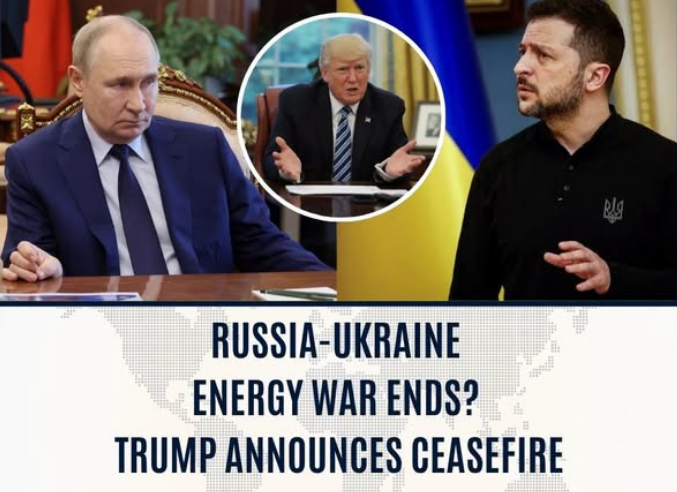
President Donald Trump announced a deal allowing Russia to supply 300,000 metric tons of diesel to the United States and global markets. The arrangement involves temporarily easing relevant sanctions. Trump hopes it will help lower fuel prices, although experts question whether the quantities involved will have a significant effect.
2. Trump Criticises Zelensky
Trump blamed Ukrainian President Volodymyr Zelensky for failing to reach a peace agreement and suggested Ukraine should elect a new leader. His remarks have raised concerns that Washington is placing greater pressure on Ukraine than on Russia to end the war.
3. Ukraine Objects
Zelensky criticised the diesel deal, arguing that Russian energy revenues help finance Moscow’s war effort. Ukraine maintains that any peace agreement must protect its sovereignty and security.
4. Republican Opposition
Republican Representative Brian Fitzpatrick announced plans for the Ronald Reagan Peace Through Strength Act, aimed at blocking purchases of Russian oil. Representative Don Bacon supports the initiative. Republican Senator Lisa Murkowski also criticised the easing of restrictions, arguing that Russia should face continued economic pressure while the war continues.
5. Questions over US Sanctions Policy
Congress previously passed the Lindsey Graham Sanctioning Russia and Iran Act of 2026, which Trump signed. The legislation authorises additional economic measures against countries purchasing Russian oil and gas. The subsequent diesel arrangement has therefore raised questions about the consistency of US policy towards Moscow.
6. Wider International Consequences
Critics fear that easing restrictions on Russian energy exports could weaken pressure on Moscow and send the wrong signal to other governments considering territorial aggression. Supporters of engagement may argue that economic arrangements can also create opportunities for diplomacy. The ultimate consequences will depend on how the policy develops and whether it contributes to a lasting settlement.
CONCLUSION
Trump’s Russian diesel deal raises important questions about US energy policy, sanctions and support for Ukraine. While the administration may see it as an economic or diplomatic opportunity, critics fear it could strengthen Russia financially while the war continues. Ultimately, the deal’s success should be measured by its impact on fuel prices, progress towards lasting peace, and the security and sovereignty of Ukraine.