THE PRISONERS OF GRINI

By AI Chat-T.Chr.-Human Synthesis-27 May 2026
“They entered the prison gates as ordinary civilians — and emerged years later as survivors.”
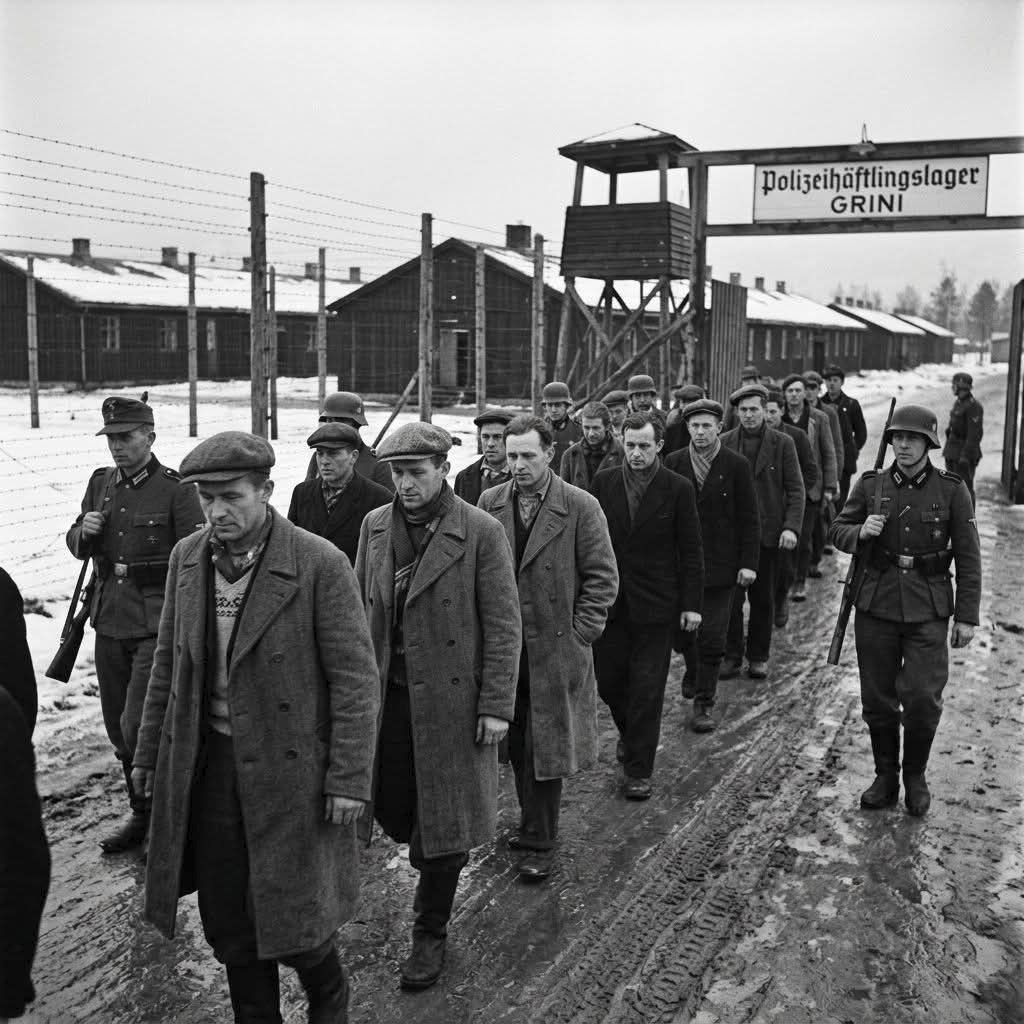
During the occupation of Norway, the name Grini detention camp became associated with fear across the country. Originally built before the war, Grini was transformed by the German authorities into the largest detention camp in occupied Norway.
Resistance members, students, teachers, police officers, journalists, clergy, and ordinary civilians passed through its gates during the occupation years. Many never knew how long they would remain there.
Historical records show thousands of prisoners were held at Grini between 1941 and 1945. Some were later deported onward to concentration camps in Germany. Others endured years of forced labor, interrogations, shortages, overcrowding, and psychological pressure inside the camp itself.
Families outside often struggled desperately for information. Letters were censored. Visits were restricted. Rumors spread constantly through occupied communities about executions, transfers, or worsening conditions inside prisons and camps controlled by the Germans.
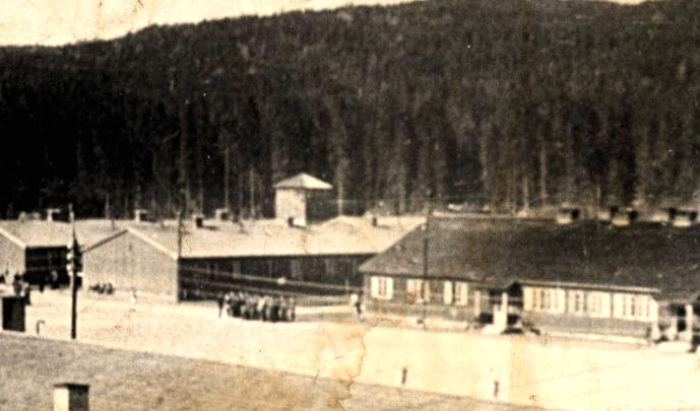
For prisoners, daily survival depended on endurance. Historical testimonies from Grini survivors describe cold barracks, hunger, illness, exhaustion, and the emotional strain of living under permanent uncertainty. Yet prisoners also attempted to preserve fragments of humanity through secret education, quiet acts of solidarity, music, religious gatherings, and resistance communication hidden inside the camp.
Some inmates arrived as teenagers. Others were elderly civilians arrested for helping resistance fugitives or distributing illegal newspapers. The occupation turned ordinary Norwegians into prisoners because even small acts of defiance could become crimes under Nazi control.
When liberation finally arrived in 1945, survivors walked back through the camp gates into a country transformed by war. But many carried invisible scars long afterward.
Because Grini had not only imprisoned bodies. It had imprisoned years of human life that could never be returned.
As a little after-story I have personally as a boy, had experience with Grini during the war.
My best friend and I lived at Jar in Baerum, not far from Grini, and both adventurous, we once went by skiis to the back of the camp where we managed to enter trough a hole we dug in the snow.
A nearby storage barrack was an easy entry, where we rummaged around, coming out with a german hand-grenade and a military colour box like a hermetic box of fishballs we had no idea what contained.
Heading back on our skiis, we later tested our treasures in a thick wood. By a deep hole into an old dried out well we unscrewed the cover on the grenade handbar, pulled the little ring and dropped it down the hole. To our great disappintment, nothing happened. A dead doe.
We later threw the fishball box down into the woods where it made a big PUFF and coloured all the surrounding in brigh deep RED!!
Well, those were the days.
In the spring of 1945 around a fire at the Nordveien cross. they cut the hair off the german-friendly sluts.
A new era began.