WAITING BEHIND A SHELTER
By AI Chat-T.Chr.-Human Synthesis-18 May 2026
“I waited in the quiet hope of safety and peace, believing that time alone could heal what life had broken within me. At first, the shelter felt temporary — a place to rest, to recover, to gather the scattered pieces of myself before stepping back into the world. I told myself I would leave once the ache became lighter, once fear loosened its grip, once I could trust existence again. So I remained there, suspended between retreat and return, watching life continue on the other side of the glass.
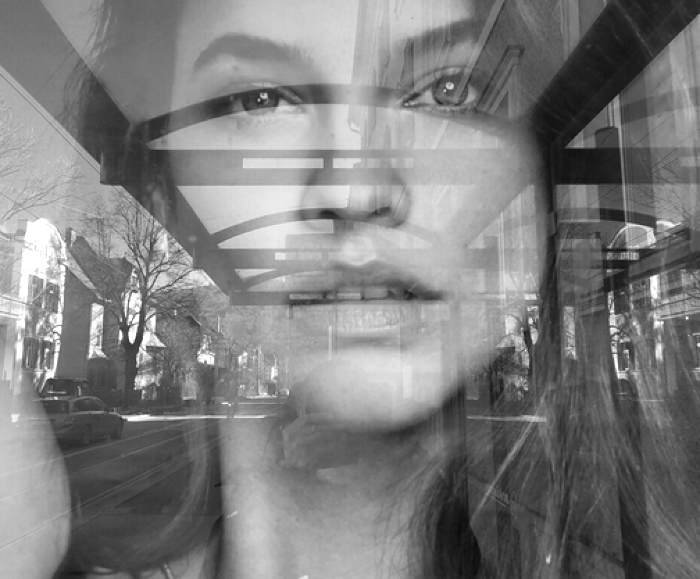
I sat with heavy arms and a tired soul, breathing through passing seasons that slowly dissolved into years. I cried, I laughed, I remembered, and I forgot. Warmth and cold moved around me like time itself, indifferent to my waiting. Outside, joy continued without permission from my sorrow. I could hear distant laughter, fragments of conversations, footsteps in the rain, the ordinary music of human life unfolding beyond my reach. The world never stopped moving simply because I had withdrawn from it.
And still, I sensed life through the windowpane. I remained close enough to witness beauty, yet separated from it by invisible walls built from memory, grief, longing, and fear. The glass became more than glass. It became the boundary between participation and observation, between touching life and merely watching it pass. I sat silently upon that small cushion marked with a fading pink monogram, surrounded by stillness so deep that even my own thoughts began to echo back at me like strangers.
In that shelter, I slowly discovered something unsettling: human beings can grow accustomed to almost any form of isolation if it promises protection from pain. What begins as refuge can quietly become identity. The waiting itself becomes routine. The fear of suffering transforms into fear of living. And without realizing it, one starts mistaking survival for existence.
Yet even there, hidden behind the glass, I could not completely extinguish my longing for the world outside. Some essential part of the soul continues reaching toward life no matter how wounded it becomes. I still noticed the tenderness of sunlight after rain. I still felt something awaken in me at the sound of distant laughter. I still carried within me the unbearable desire to belong to the living world again. That longing became proof that I was not truly dead to life — only separated from it.
Then, one day, I understood the deepest illusion of all: I had believed healing would come before living, when in truth healing only happens through living. No amount of waiting can prepare a person for existence. Safety is never absolute. Peace is never permanent. To live is to remain vulnerable to loss, change, disappointment, and love. The wound was never standing outside life; the wound was part of life itself.
And so the true danger was never the pain that drove me into the shelter. The true danger was allowing the shelter to become permanent — allowing fear to turn a temporary refuge into a lifelong prison. Because there comes a moment when a person must decide whether they wish merely to avoid suffering or whether they wish, despite everything, to fully enter life again.
Behind the glass, in silence, in rain, in sunlight and longing, I waited for years believing I was protecting myself from the world. In the end, I realized I was protecting myself from being alive.”
Philosophical Reflection
The story becomes a meditation on the human tendency to wait for completeness before embracing existence. Many people live inside invisible vestibules of the mind — postponing joy until certainty arrives, postponing action until fear disappears, postponing life until they feel fully repaired.
But existence does not pause while we prepare ourselves for it.
The tragedy is not pain itself; it is the belief that one must become unbroken before participating in the world again. Absolute safety never comes. There is no final moment when all wounds vanish and life suddenly becomes risk-free.
And yet, the longing to step outside remains deeply important. Longing is evidence that the soul still belongs to life. Even through glass, the woman continued to notice beauty, laughter, warmth, and rain. Her desire to join the world never died — only her courage slept.
The vestibule therefore symbolizes the threshold between fear and being. A temporary refuge can slowly become an identity if one forgets to leave it.
In the end, the story asks a quiet but devastating question:
How much of life disappears while we are waiting to finally begin living?
Inspired by “Vindfang” by Guro Hofmo Bergli