NORWAY RESISTANCE DURING WWII

By FB-AI Chat-T.Chr.-Human Synthesis-03 May 2026
The Ice-Breaking Convoys to Northern Norway
Norwegian Maritime Effort | WWII
“They forced a path through ice — to keep supplies moving.”
In northern Norway, maintaining supply lines during the occupation required navigating some of the most challenging maritime conditions in Europe. Ice, storms, and limited infrastructure shaped transport efforts.
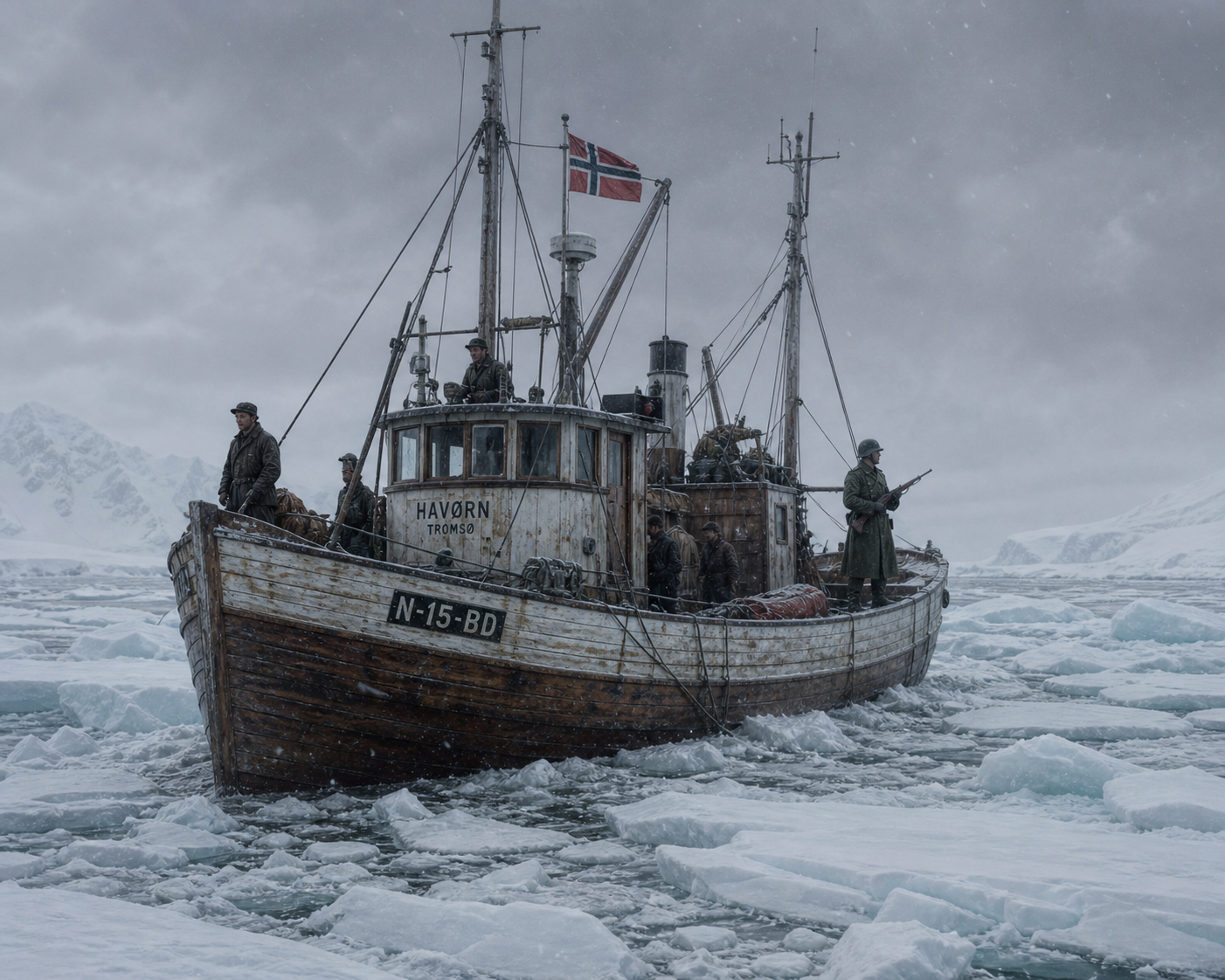
Historical records confirm that convoys and supply ships operated in Arctic waters, sometimes requiring ice-breaking capabilities to maintain movement. These efforts were essential for both civilian needs and military logistics.
Ships faced multiple threats. In addition to environmental challenges, German and Allied military activity in the region increased risk for vessels at sea.
Crew members worked under extreme conditions. Ice accumulation on decks, freezing temperatures, and limited visibility made daily operations difficult and dangerous.
The emotional reality of these journeys involved endurance. Sailors operated in isolation, facing both natural and wartime risks simultaneously.
Maintaining supply routes in such conditions demonstrated adaptability. Movement through ice required coordination, skill, and persistence.
These maritime efforts supported communities and operations in northern regions where alternative transport options were limited.
After the war, the role of Arctic convoys and supply operations became recognized as part of Norway’s broader wartime experience.
Across frozen seas where movement was uncertain, ships continued forward.
Not because it was easy.
But because it was necessary.
The Couriers of the Shetland Bus Network
Norwegian Resistance | WWII
“They carried more than cargo — they carried the connection.”
The Shetland Bus was a vital maritime link between occupied Norway and Britain. While the boat crews are widely known, couriers played an equally important role in the network.
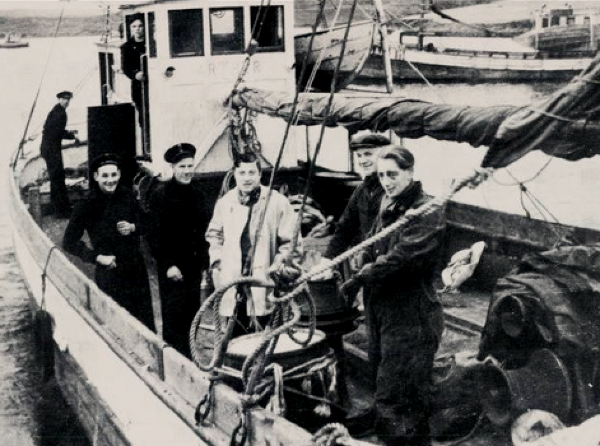
Historical records confirm that couriers transported messages, intelligence, and materials between resistance groups and Shetland Bus operators. Their work ensured coordination between Norway and Allied command.
These individuals often traveled under cover, moving between coastal communities and inland networks. They prepared shipments, guided passengers, and ensured that information reached the right destinations.
Boarding vessels was only one part of the task. Couriers also managed logistics on land, coordinating timing and locations for departures and arrivals.
The emotional reality of their work involved constant movement. Unlike fixed roles, couriers operated across multiple environments, adapting to changing conditions.
German patrols along the coast increased the risk of detection. Both land and sea routes required careful planning to avoid interception.
The success of the Shetland Bus depended on this network of individuals who maintained communication and organization behind the scenes.
After the war, their contributions became more widely recognized as part of Norway’s resistance history.
Their work demonstrates how connection was essential to resistance. Without coordination, operations could not succeed.
Across coasts where boats departed under darkness, they ensured everything aligned.
Not visible.
But essential.
The Winter March to Sweden
Norwegian Resistance Escape | WWII
“They walked for days in the snow — because stopping meant capture.”
During the occupation, escape routes to Sweden became a vital lifeline for resistance members and civilians at risk of arrest. Many of these journeys took place during winter, when snow covered large parts of the terrain.
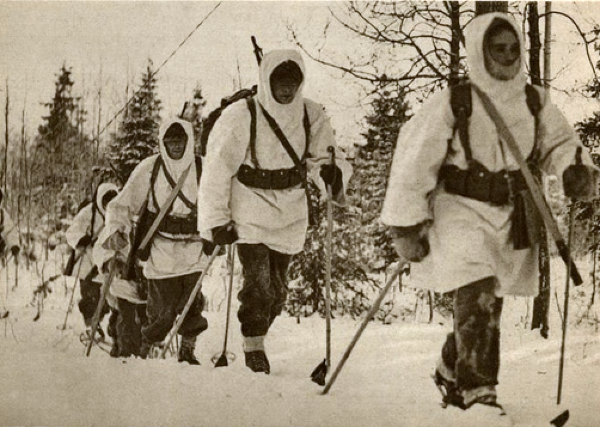
Historical records confirm that groups often traveled on foot, guided by individuals familiar with border regions. Routes avoided roads and checkpoints, passing instead through forests and mountainous areas.
Winter conditions made the journey more difficult. Deep snow, freezing temperatures, and limited daylight reduced speed and increased physical strain. Despite this, movement continued because stopping increased the risk of detection.
Travelers carried minimal supplies. Weight had to be limited, and reliance on guides and occasional shelter became essential. Some received assistance from local communities along the route.
German patrols monitored border regions, though the vast landscape made complete control difficult. Timing and knowledge of terrain were key to avoiding contact.
The emotional reality of these journeys involved endurance and uncertainty. Individuals left behind familiar surroundings without knowing what awaited them across the border.
Reaching Sweden meant safety from immediate threat. Many who arrived were later involved in further resistance efforts or remained in exile until the end of the war.
These escapes highlight the role of geography in shaping resistance. Natural landscapes became both obstacle and protection.
Across snow-covered paths where no signs marked the way, movement continued step by step.
Not quickly.
Not easily.
But forward — until safety was reached.