A Scientist’s Advice on Healing
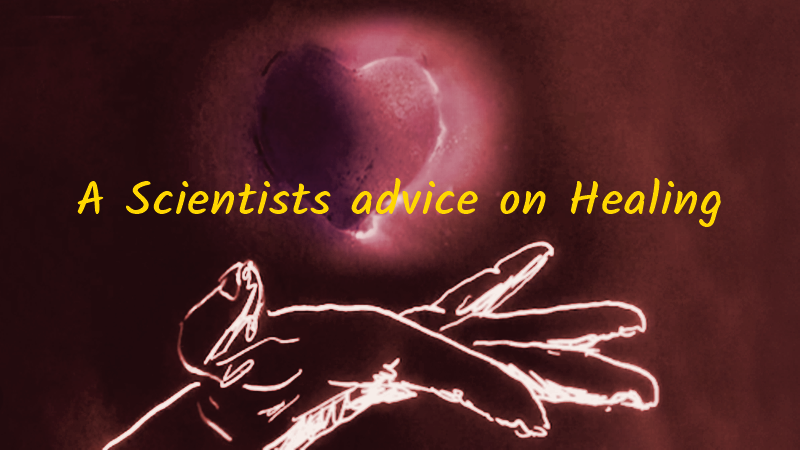
By ChatGPT- Human Synthesis - 04 June 2024 - Source The Marginalian
The article "A Scientist’s Advice on Healing: A Soulful Animated Poem About Getting to the Other Side of Heartbreak" by Maria Popova on The Marginalian explores the intersection of science and metaphor in understanding and healing from heartbreak.
It features a poem by Christy Ducker, who combines her scholarly and poetic sensibilities to offer insights into the process of healing. The poem emphasizes starting with acceptance of one's pain, moving beyond blame, and embracing the body's natural healing processes. It suggests that healing is a non-linear journey that requires patience and self-compassion, celebrating the intertwining of physical and emotional recovery.
Popova underscores the importance of viewing the body and soul as interconnected, echoing thoughts from literary and scientific figures like William James and Walt Whitman, who highlighted the profound connection between our physical state and emotional experiences. The article reflects on how metaphorical language enriches our understanding of human emotions and the healing process, ultimately suggesting that both scientific and poetic perspectives contribute to a deeper appreciation of the human experience.
The poem "A Scientist’s Advice on Healing" by Christy Ducker uses vivid and imaginative language to guide the reader through the healing process. It begins by acknowledging the initial pain ("this fat red hurt") as a starting point, much like a pen meeting paper. This metaphor suggests that recognizing and accepting one's pain is crucial for beginning the journey of healing.
Ducker then encourages moving beyond the immediate emotional responses such as blame and pain, suggesting a shift in focus towards recognizing one's health and the body's innate ability to heal. This is depicted through metaphors like "signal-cascades" and "flotilla of cells," which highlight the complex and dynamic processes occurring within the body.
The poem further advises embracing the unpredictable nature of healing, noting that it won't come in a straightforward manner and lacks dramatic heroics. Instead, it frames healing as a personal and organic process, akin to a tree growing or a stealthy wolf approaching. This approach encourages self-compassion and patience, acknowledging that healing may not always lead to a clear resolution.
Maria Popova connects these themes with broader philosophical and scientific ideas. She references Toni Morrison, William James, and Walt Whitman to illustrate how the physical body and emotional experiences are deeply intertwined. Popova suggests that our understanding of healing is enriched by both scientific knowledge and poetic insight, each offering valuable perspectives on the human condition.
In essence, the article and the poem together emphasize the importance of holistic healing, where the mind and body work in harmony. They advocate for a compassionate and patient approach to overcoming heartbreak, recognizing the profound and interconnected nature of our physical and emotional selves. This perspective encourages readers to appreciate the journey of healing as a complex, non-linear process that ultimately leads to greater self-awareness and resilience.
In conclusion, Maria Popova's article on The Marginalian, featuring Christy Ducker's poem "A Scientist’s Advice on Healing," provides a nuanced and enriching perspective on the process of healing from heartbreak. By blending scientific insights with poetic expression, the piece underscores the importance of recognizing the interconnectedness of body and soul in the healing journey. It calls for acceptance of pain, patience, and self-compassion, highlighting that true healing is an organic and unpredictable process.
This thoughtful exploration encourages readers to embrace both scientific understanding and poetic wisdom, fostering a holistic approach to overcoming emotional pain and achieving deeper self-awareness.