PERSONAL GROWTH AND CHANGE
By ChatGPT 4o – Tome – Human Synthesis - 05 August 2024
INTRODUCTION — EVERYTHING IS CONSTANTLY CHANGING
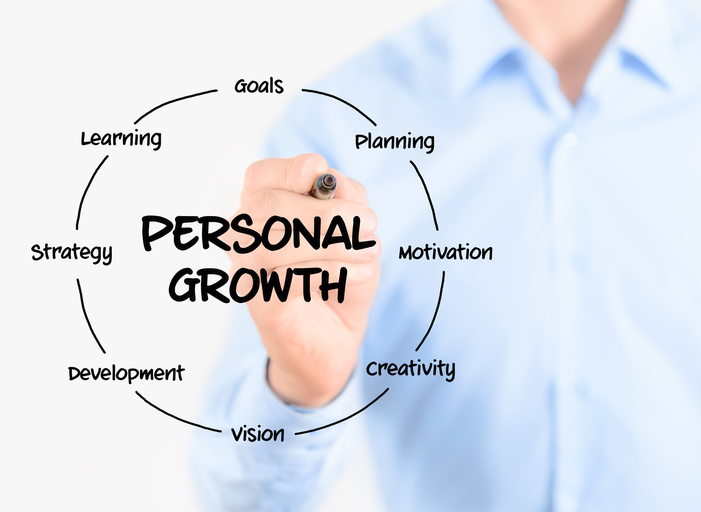
Everything on Earth is undergoing constant change. This idea is deeply rooted in the concept of impermanence, explored by philosophical and spiritual traditions throughout history.
Personal growth and change are equally important in human life. As individuals evolve, their relationships often evolve with them, sometimes creating deeper connections and sometimes leading people along new paths.
CHAPTER 1 — SELF-DISCOVERY AND IDENTITY
Self-Awareness: As people gain a deeper understanding of themselves, their values, beliefs and desires, their relationships may need to adapt. Greater self-awareness often produces more authentic relationships because individuals become more comfortable expressing who they really are.
Identity Evolution: People may experience changes in identity because of new experiences, insights or different stages of life. These changes can influence the relationships they seek and the way they relate to others.
CHAPTER 2 — SHIFTING NEEDS AND PRIORITIES
Changing Interests: Interests and passions naturally change. Relationships once based upon shared hobbies or activities may therefore need to adjust. This can lead to discovering new common interests—or, naturally, to people drifting apart.
Life Goals: Personal and professional goals also evolve. Someone concentrating on career advancement may have less time available for relationships. Someone concentrating on personal development may seek relationships that better support and reflect their new direction.
CHAPTER 3 — EMOTIONAL GROWTH AND MATURITY
Emotional Intelligence: Developing emotional intelligence improves the ability to understand and manage one's own emotions while also empathizing with others. This encourages healthier relationships, better communication and deeper emotional connections.
Resilience and Adaptability: Personal growth often involves learning how to cope with difficulties and adapt to change. This resilience can provide stability within relationships, particularly during difficult periods, and encourage mutual understanding.
CHAPTER 4 — LIFE TRANSITIONS AND MILESTONES
Major life events—including marriage, having children, moving, changing careers or experiencing loss—can profoundly affect personal growth. Such transitions often require relationships to adapt to new roles and expectations.
Aging and Maturity: As people grow older, their perspectives and priorities frequently change. They may seek deeper and more meaningful relationships, while allowing relationships that no longer contribute positively to their lives to fade away.
CHAPTER 5 — PERSONAL DEVELOPMENT
Education and Learning: Continuous learning introduces new ideas and perspectives. Intellectual growth can enrich conversations and deepen relationships with people who share similar interests, while sometimes challenging established relationships.
Mindfulness and Self-Care: Practices such as mindfulness, meditation and self-care can contribute to personal well-being and emotional balance. When individuals take better care of themselves, they are often better equipped to contribute positively to their relationships.
CHAPTER 6 — RELATIONSHIP DYNAMICS
Boundary Setting: Personal growth often involves recognizing the need for healthy boundaries. Establishing and respecting boundaries can improve relationships by creating mutual respect and understanding.
Conflict Resolution: Developing better conflict-resolution skills enables people to handle disagreements more constructively. Open communication and a willingness to find common ground can make relationships stronger and more resilient.
CHAPTER 7 — THE IMPACT ON EXISTING RELATIONSHIPS
Reevaluating Connections: Personal growth can cause individuals to reconsider their existing relationships. They may strengthen relationships that are nurturing while gradually releasing relationships that are harmful or no longer beneficial.
Fostering Growth in Others: Personal growth can inspire growth in others. By demonstrating positive change and supporting loved ones in their own development, individuals can create an environment of mutual growth and enrichment.
Personal growth and change are therefore integral to the evolution of relationships. By accepting change, people can develop deeper connections, healthier interactions and supportive relationships that evolve alongside them.
CHAPTER 8 — LASTING RELATIONSHIPS REQUIRE MUTUAL ADJUSTMENT
Lasting relationships between couples require adjustments from both partners. These adjustments are essential for maintaining harmony, understanding and connection over time.
Communication
Open Dialogue: Partners need to express thoughts, feelings and needs openly and honestly. This reduces misunderstandings and builds trust.
Active Listening: Truly listening to a partner's perspective without interrupting or judging promotes understanding and empathy.
Emotional Support
Empathy and Compassion: The ability to understand a partner's feelings and offer compassion during difficult times strengthens the relationship.
Encouragement and Affirmation: Regular encouragement and appreciation build confidence and demonstrate commitment to each other's well-being and growth.
Shared Responsibilities
Household Duties: Sharing household responsibilities—including chores, childcare and finances—helps both partners feel valued and reduces potential conflict.
Decision-Making: Important decisions concerning finances, careers, family and the future should ideally be approached as a partnership.
Personal Growth
Supporting Each Other: Partners should encourage one another's personal development and individual interests. Individual growth can enrich the relationship as a whole.
Adaptability: Long-term compatibility requires willingness to adapt as each partner's needs and circumstances change.
Conflict Resolution
Healthy Disagreement: Disagreements are a normal part of relationships. The objective is not to eliminate disagreement but to handle it respectfully and constructively.
Compromise: Both partners need to be willing to find middle ground so that neither feels ignored or disrespected.
Intimacy and Affection
Physical Affection: Hugs, kisses and other expressions of affection help maintain closeness.
Emotional Intimacy: Sharing thoughts, dreams, fears and aspirations creates deeper emotional connection.
Time and Attention
Quality Time: Spending meaningful time together without distractions strengthens relationships. This may involve shared activities, outings or simply enjoying each other's company.
Independence and Togetherness: A healthy relationship allows partners to maintain individual interests and friendships while also sharing a life together.
Trust and Loyalty
Building Trust: Reliability, honesty, keeping promises and acting with integrity are fundamental to lasting trust.
Faithfulness: Loyalty and fidelity provide security and strengthen emotional connection.
Understanding and Respect
Respect for Differences: Partners have different personalities, preferences, backgrounds and opinions. Respecting these differences prevents unnecessary conflict and encourages acceptance.
Appreciation: Recognizing each other's efforts and regularly expressing gratitude creates a positive atmosphere within the relationship.
Long-Term Planning
Shared Goals: Shared aspirations—whether concerning family, finances, careers, travel or personal interests—give couples a common sense of purpose.
Adaptability to Change: Circumstances inevitably change. Couples who can adapt together are better able to preserve their relationship through major life transitions.
These adjustments require continuous effort and a willingness to grow together. Through mutual adjustment, couples can create a lasting and fulfilling relationship capable of withstanding the changes of life.
CHAPTER 9 — TWO INDIVIDUALS, ONE RELATIONSHIP
A couple consists of two individuals, each with their own background, personality, opinions and experiences.
Maintaining a strong relationship does not mean eliminating these differences. It means learning how to navigate them through effort, understanding and mutual respect.
Embracing Differences
Respecting Individuality: Each partner's unique qualities, background and perspective should be recognized and valued. Respecting individuality prevents one person from feeling overshadowed or undervalued.
Celebrating Diversity: Differences can be a source of strength. Different experiences and viewpoints can introduce new ideas and enrich the relationship.
Effective Communication
Understanding Backgrounds: Partners should take time to understand each other's family traditions, cultural influences and personal experiences. This creates empathy and helps bridge differences.
Open-Minded Discussion: Partners should be able to discuss their views openly without fear of judgment. A healthy exchange of ideas encourages mutual understanding.
CONCLUSION — GROWING TOGETHER
Change is unavoidable. Individuals change, circumstances change, relationships change, and the world itself is constantly changing.
A lasting relationship therefore cannot depend upon everything remaining as it was at the beginning.
Instead, lasting relationships depend upon mutual adaptation.
Two people can remain individuals while continuing to grow together. They can have different backgrounds, different interests and different opinions while maintaining love, trust, respect and loyalty.
The essential principle is simple:
A strong relationship does not prevent two people from changing. It allows them to change while continuing to understand, respect and support one another.
Personal growth does not have to separate people.
When approached with honesty, empathy, communication and mutual respect, it can become one of the forces that brings them closer together.