NORWAYS CONTRIBUTION TO WINNING WWII

By ChatGPT-T.Chr.-Human Synthesis-02 April 2026
Here’s the full story, tying together the maritime effort led by Shipowner Øyvind Lorentzen, the global role of Norwegian shipping and the War Sailors, the mountain based resistance work of his son Erik Lorentzen during World War II.
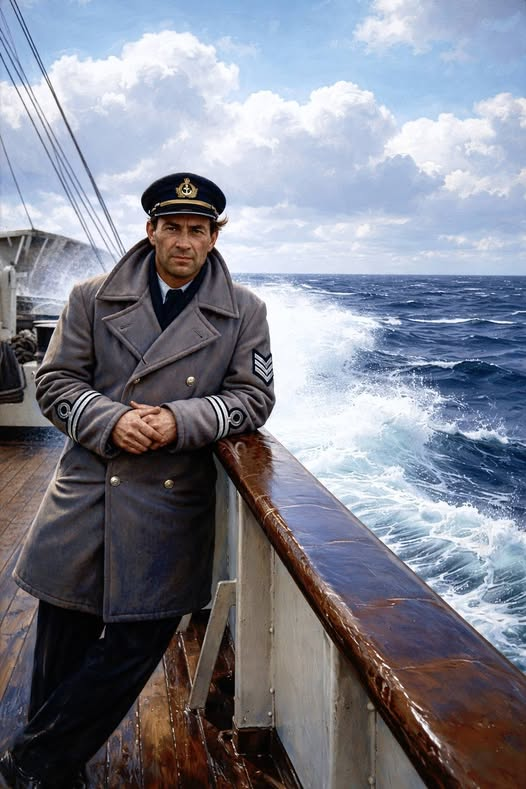
⚓ Norway’s Merchant Fleet Becomes a Weapon
When Germany's invasion of Norway began in April 1940, Norway was one of the world’s largest shipping nations. Its merchant fleet—over 1,000 ships—was suddenly at risk of falling into German hands.
Instead, something extraordinary happened.
The Norwegian government-in-exile, working from London, quickly organized the fleet into a state-controlled shipping company called Nortraship. At its head was Øyvind Lorentzen.
He was not commanding warships—but what he controlled would become just as vital.
🚢 Nortraship: The Allied Lifeline
Under Lorentzen’s leadership, Nortraship became one of the largest shipping operations in the world.
What they did:
- Operated hundreds of tankers and cargo ships
- Supplied:
- Oil and fuel (critical for aircraft, tanks, and naval forces)
- Food and raw materials
- Weapons and equipment
- Supported major Allied nations including:
- United Kingdom
- United States
At one point, Norwegian ships carried a huge share of the oil used by the Allies, especially early in the war when fuel was scarce.
Without these shipments, aircraft couldn’t fly, tanks couldn’t move, and naval fleets couldn’t operate.
⚠️ The Human Cost
Norwegian war sailors paid a heavy price.
- Thousands of Norwegian seamen died during the war
- Many ships were sunk
- Survivors often spent hours—or days—in freezing water
Despite this, they kept sailing.
There was no pause. No safe route. No guarantee of survival.
THE BETRAYAL OF THE NORWEGIAN WAR SAILORS
Gudmund Harlem (Gro's Harlem Brundtlands father) and other AP members voted that sailors should not receive a war pension at all, because the AP could then sit with the entire money that belonged to the sailors. According to Lars Gjendemsjø's book, it was decided by the authorities that the sailors should rank below everyone else, below resistance fighters on land, below the army and below prisoners.
They should not receive any help, on the contrary, in many cases they owed the state money when they returned. This was because of the so-called family allowance, which it was decided that the family back home in Norway should have and the shipowners should pay in. But in many cases the shipowners did not pay what they were owed and the sailor came home and was presented with a large bill from the state. It could be up to 10,000 kroner that they had to pay in installments.
There was no mercy or forgiveness or demanding the money from the shipowners, no, the individual sailor had to pay it himself. The War Pension Act of 1946 placed the sailors in a lower group than military personnel, prisoners and resistance fighters at home. A minority in the law committee even advocated that they should not be granted a war pension at all (Gudmund Harlem and other AP members.)
Only after the supplementary act of 1968 did they come somewhat in line with others. The excuse given by the authorities was that "they were alcoholics" and did not deserve anything. It was a humanistic view from the authorities and a top-down view that was connected to the big money they could steal from this group by discrediting them. UNBELIVABLE !!!
WHAT REALLY HAPPENED TO THE WAR-SAILORS?
By Det Norske medicinske Selskab (click top right of screen for translation)
🌊 The Most Dangerous Waters on Earth
Much of this transport happened across the North Atlantic Ocean—a deadly battleground.
German forces, especially U-boats, tried to cut this lifeline during the Battle of the Atlantic.
The threats:
- German submarines (U-boats)
- Long-range bombers
- Naval mines
- Harsh weather: freezing spray, storms, massive waves
Convoys were often attacked suddenly. Ships could be torpedoed with little warning.
🧭 Why It Mattered So Much
Nortraship’s fleet was absolutely essential to the Allied war effort.
They helped:
- Keep Britain supplied during its most vulnerable years
- Support the buildup of Allied forces before D-Day
- Maintain global supply chains across multiple fronts
In simple terms:
👉 Without ships like Lorentzen’s, the Allies could not have sustained the war.
🕵️ Resistance at Home: Erik Lorentzen
While Øyvind fought a global war at sea, his son Erik fought a hidden war inside occupied Norway.
He was involved in the Norwegian resistance movement, often called the Hjemmefronten.
What the resistance did:
- Sabotaged German infrastructure
- Gathered intelligence for the Allies
- Disrupted supply lines and troop movements
- Assisted escape networks
This resistance played a key role in weakening German control from within.
⚔️ Two Fronts, One Mission
What makes the Lorentzen story powerful is that it spans two very different battlefields:
🌍 Øyvind Lorentzen:
- Led a global shipping network
- Supplied Allied forces across oceans
- Helped sustain entire military campaigns
🇳🇴 Erik Lorentzen:
- Worked in secrecy under occupation
- Sabotaged German operations
- Helped resist control from inside Norway
🌟 The Bigger Picture
Norway’s contribution to the war is often overlooked, but it was crucial:
- One of the largest merchant fleets in the world
- A major supplier of fuel and materials
- A strong internal resistance movement
Together, these efforts:
- Strengthened the Allies
- Weakened German control
- Helped make eventual victory possible