DINORA VISITS HER ANCESTRAL IGUAPE
By Dinora & Tore - Human Synthesis- 26-30 March 2026
Iguape, Time, and Belonging: A Family Story
In the quiet southern coast of Iguape, São Paulo, Brazil, where the air carries a mix of salt, river mist, and history, stories don’t feel like something from the past—they feel alive, woven into the streets, the water, and the people. It’s the kind of place where your wife’s family story doesn’t just start… it belongs.
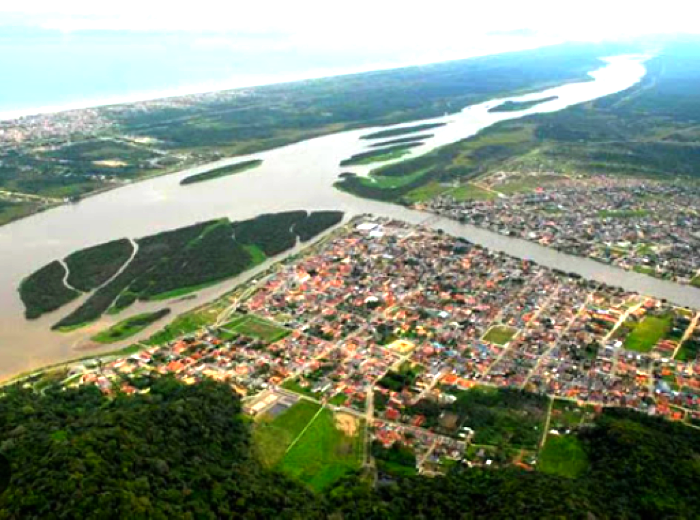
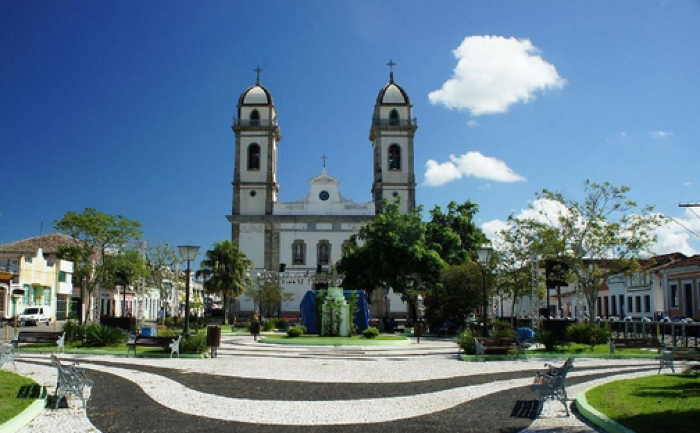
Long before paved roads and passing cars, Iguape grew between the vast green of the Atlantic Forest and the calm, winding waters of the Ribeira de Iguape River. Boats once replaced streets, and life moved to the rhythm of tides and seasons. It was here, in one of the oldest settlements in Brazil, that generations learned to live simply but deeply—rooted in faith, family, and land. Iguape is one of the oldest settlements in Brazil, with its first known European population dating back to around 1538.
This early settlement period places Iguape in the very first century of Portuguese colonization in Brazil. Before that, the region was already inhabited by Indigenous peoples for centuries, but 1538 is generally cited as the beginning of its recorded colonial history, when Portuguese settlers established a permanent presence.
So, while the land’s human history is much older, 1538 is considered the “founding” period of Iguape as a town.
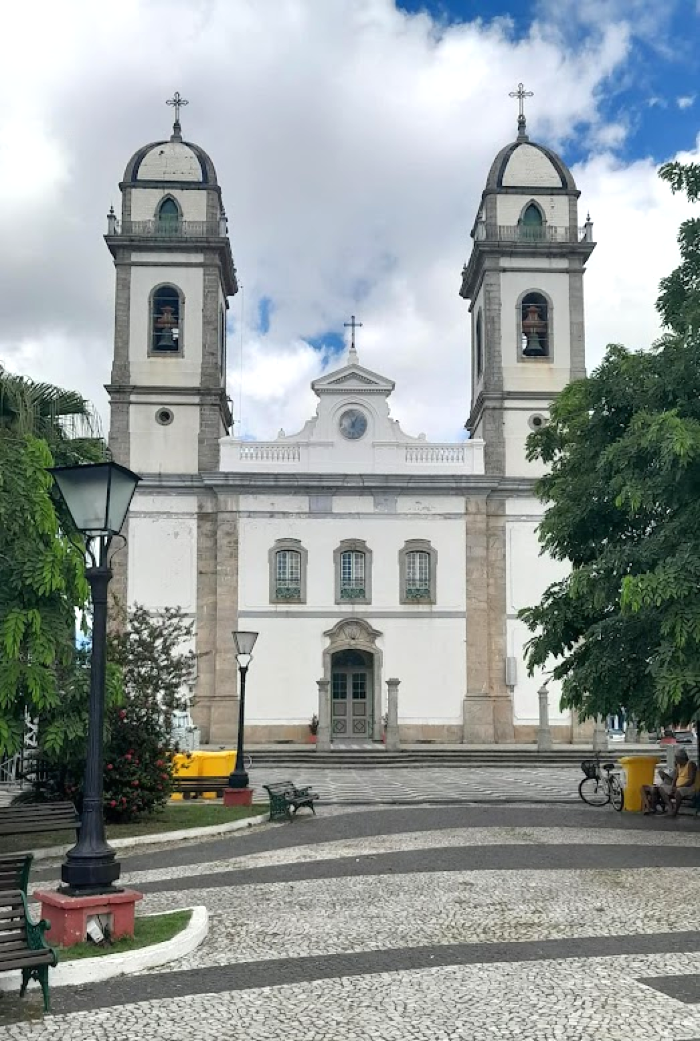
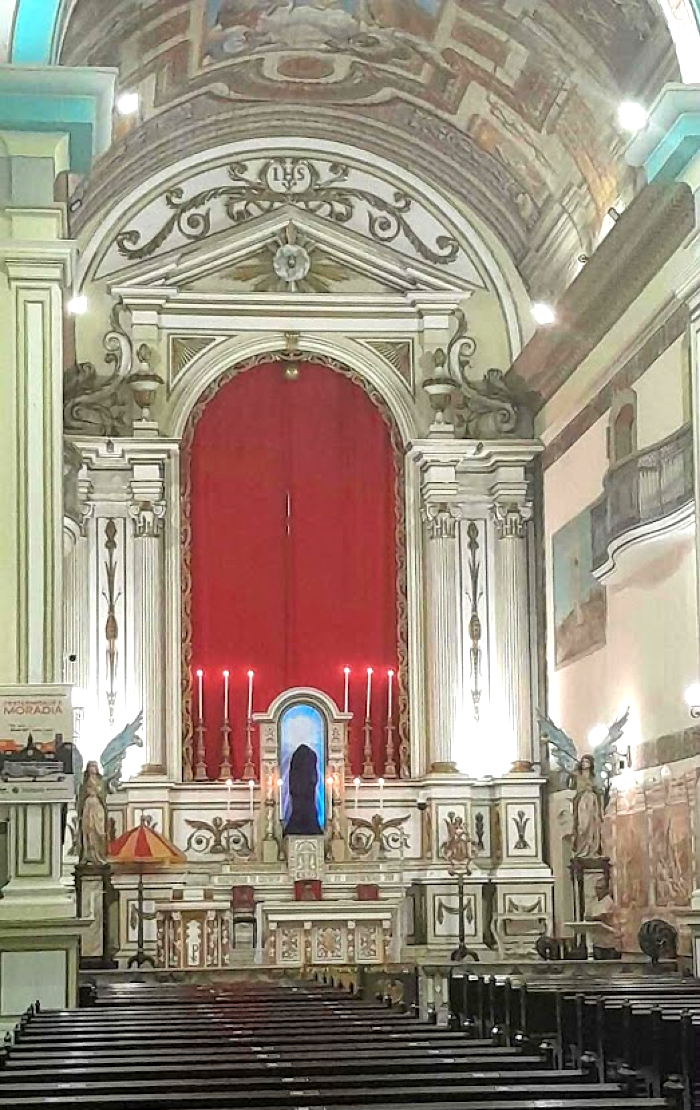
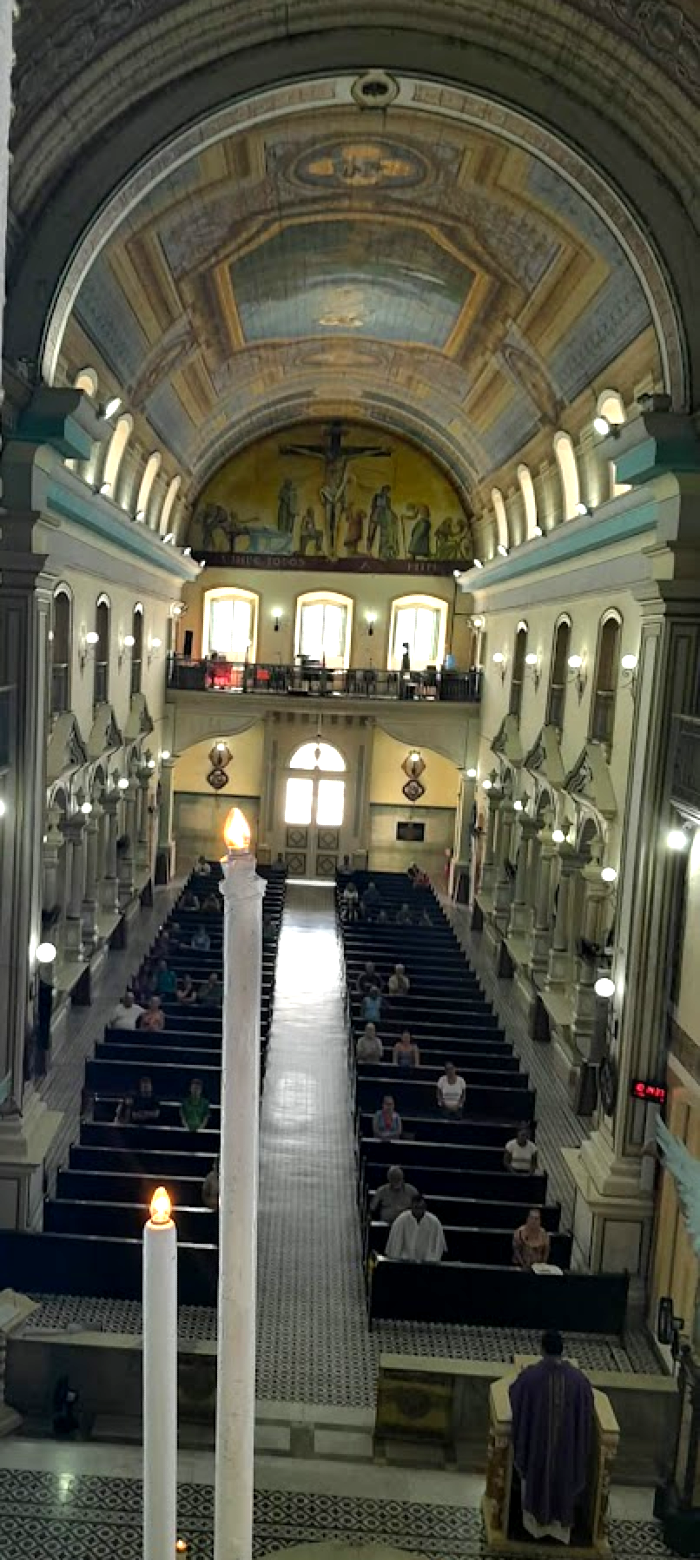
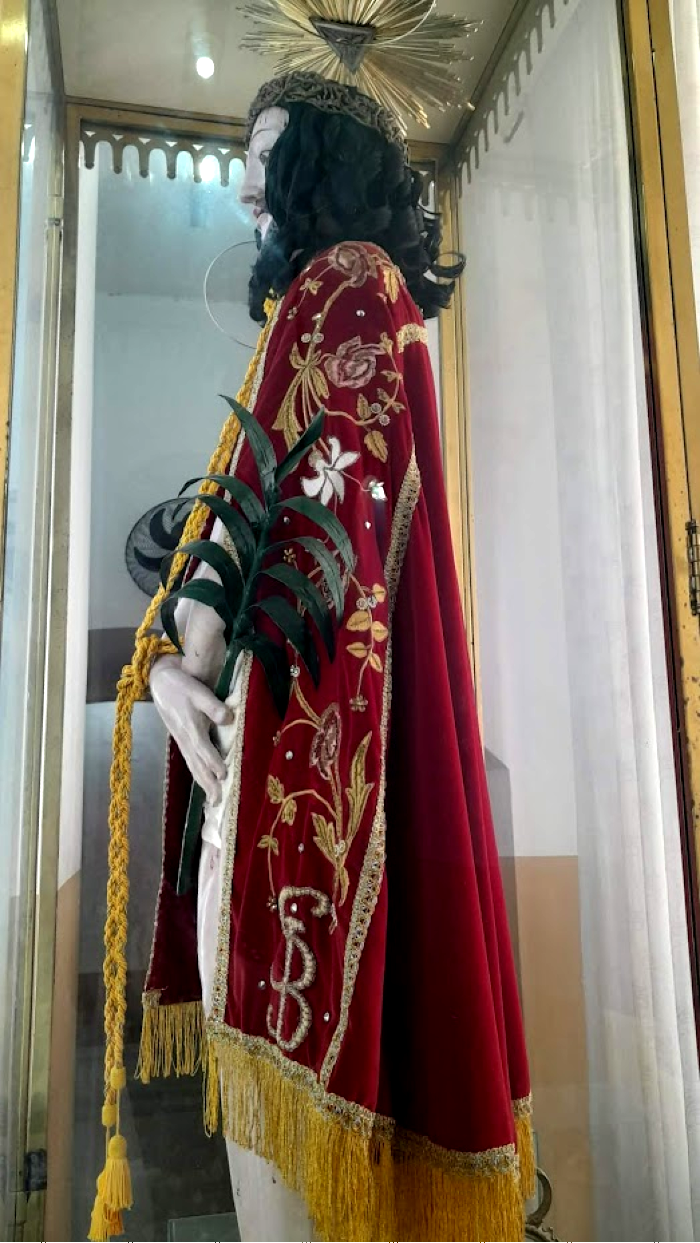
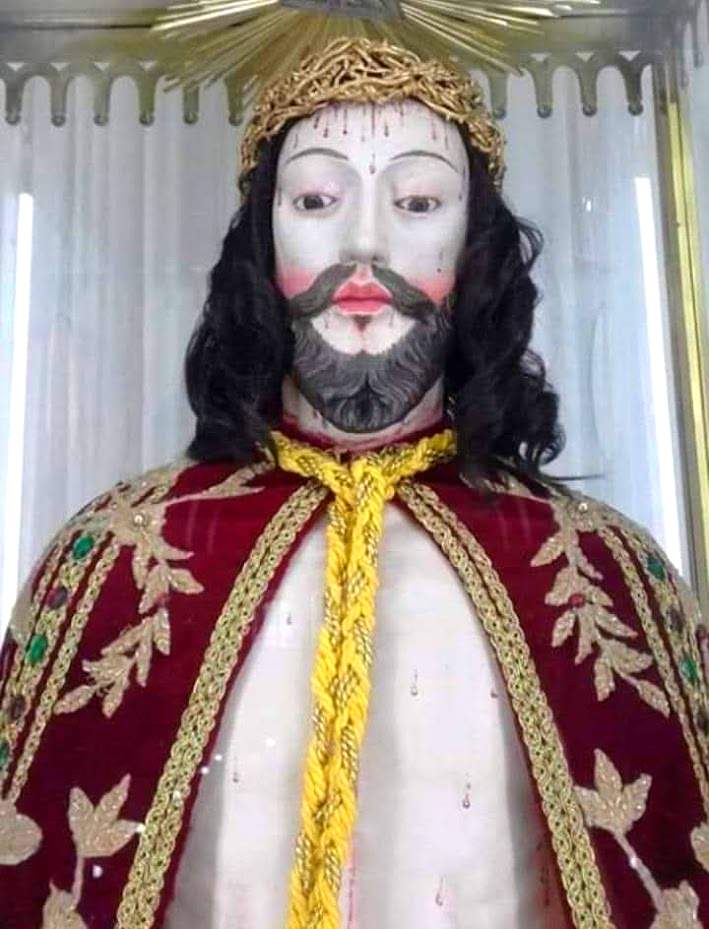
At the heart of the town stands the Basílica do Senhor Bom Jesus de Iguape, its presence both grand and gentle. For centuries, families have walked its stone floors—some in gratitude, others in hope. It’s easy to imagine your wife’s ancestors among them, perhaps dressed in their best clothes, whispering prayers that would echo through generations.
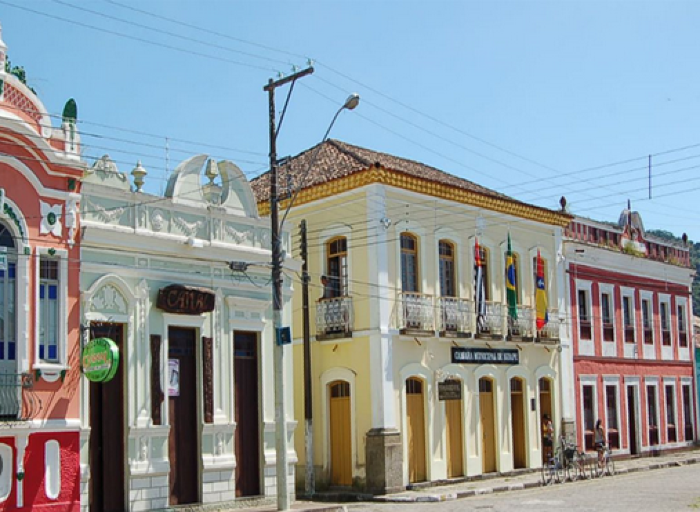
Outside, the historic center tells its own quiet story. Colonial houses in soft blues, whites, and yellows line the streets, their windows watching time pass. Maybe one of those houses once held laughter from your wife’s family—children running barefoot, elders telling stories at dusk, meals prepared with recipes passed down without ever being written.
Life in Iguape has always been tied to the water. The nearby Mar Pequeno reflects the sky like a mirror, and fishermen still head out at dawn much like their ancestors did. It’s not hard to picture someone from your wife’s family standing at the edge of that water, watching the sunrise and thinking about the future—without knowing their story would one day reach you.
There is also the rhythm of faith and celebration, especially during the Festa do Senhor Bom Jesus de Iguape. Every year, the town fills with devotion, music, and tradition. It’s more than a festival—it’s a continuation of belief across generations. Your wife’s family may have walked in those processions, carried candles, or simply stood quietly in the crowd, feeling part of something bigger than themselves.
But what makes Iguape truly special isn’t just its landmarks—it’s its feeling. It’s the sense that time slows down enough for people to matter. That stories are not forgotten, just gently carried forward.
There’s something quietly transformative about returning—not just to a place, but to a version of life you once touched and then left behind.
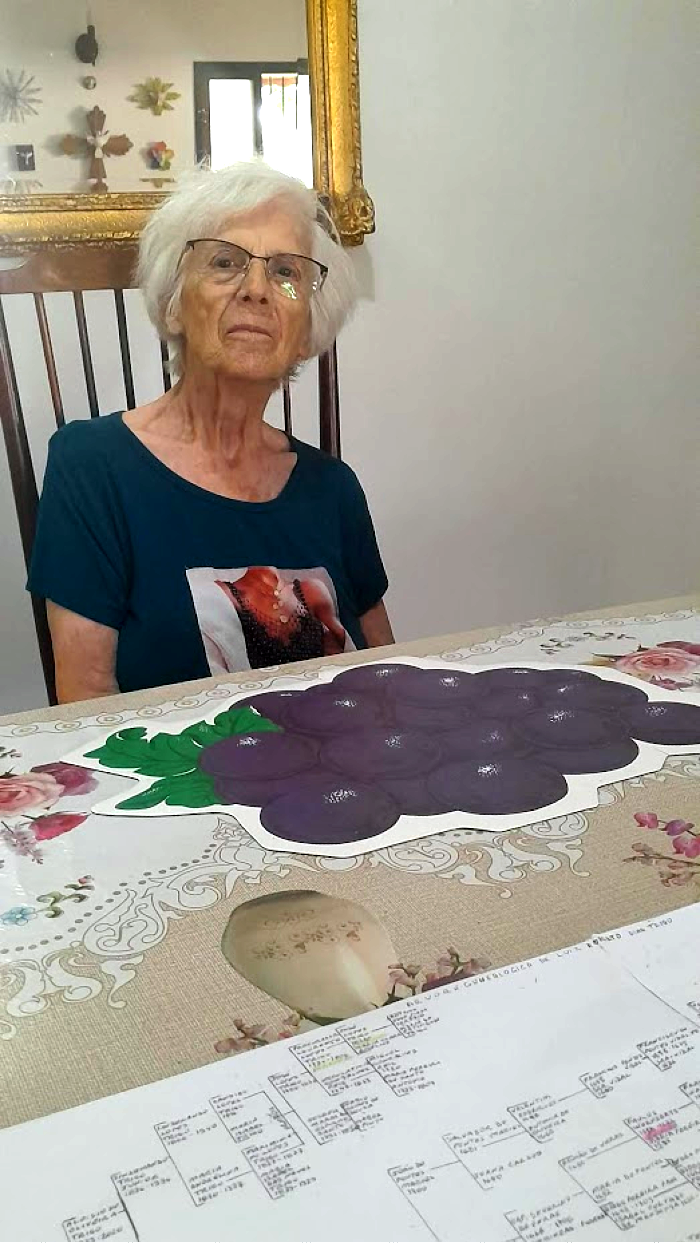
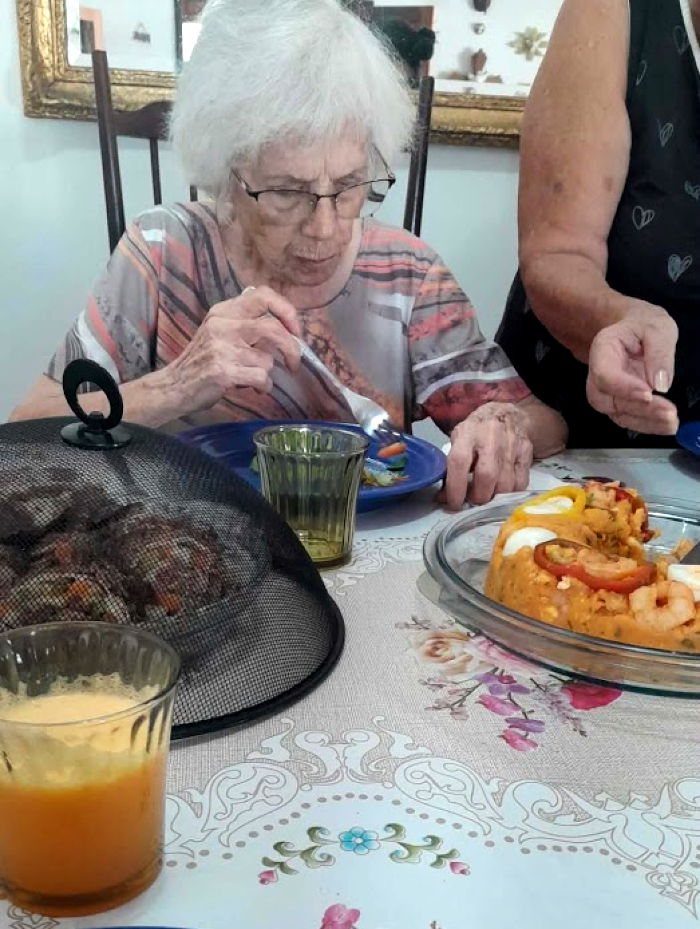
When Dinora came back to Iguape between March 26 and 29, 2026, after ten years away, it wasn’t simply a visit. It was a meeting between timeframes—who she was, who she became, and what never changed.
Places like Iguape don’t rush to prove anything. The streets still carry the same calm weight of history, the river still moves with patient certainty, and the basilica still stands as it always has—watching generations come and go. But what changes, inevitably, is the person who returns.
A decade is long enough for life to reshape priorities, relationships, and even identity. Yet in Iguape, Dinora likely felt something subtle but powerful: that beneath all the change, there is a continuity that doesn’t break. Family ties, even when stretched by time and distance, don’t disappear—they wait. Not frozen, but patient.
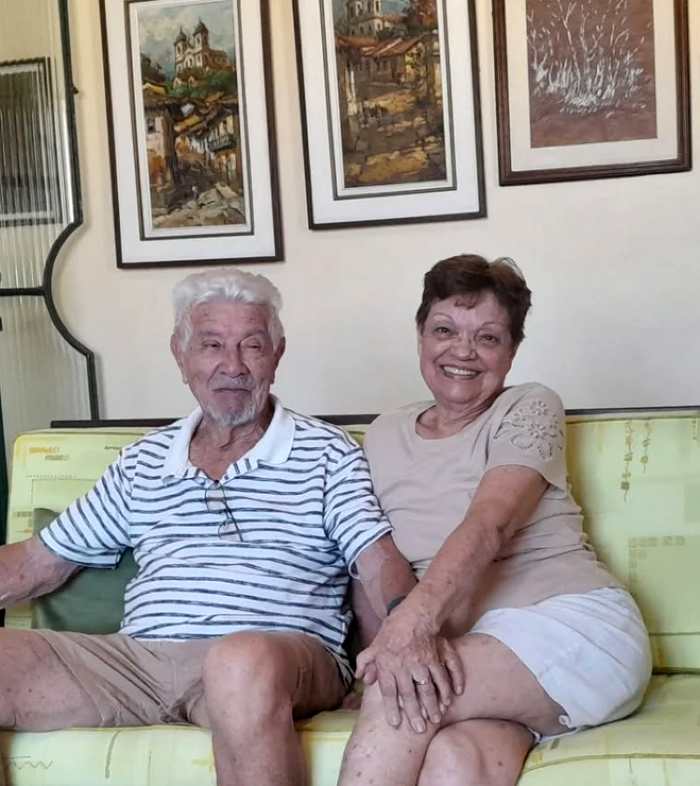
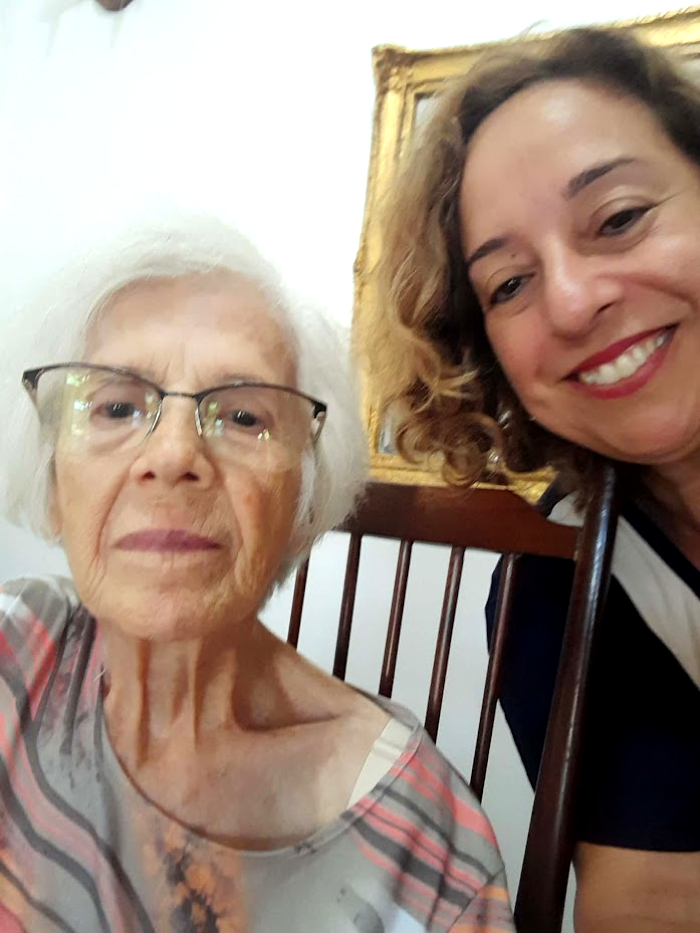
Seeing relatives again after so long can feel both familiar and strange. Faces carry more years, voices hold new stories, and yet there are gestures, expressions, and ways of being that feel instantly recognizable. It’s in those moments that time reveals its paradox: it moves forward relentlessly, but it also folds back on itself through memory and connection.
Her return may have quietly answered a question many people carry without realizing it: Where do I belong now? And Iguape’s answer is rarely loud. It doesn’t demand permanence or claim ownership. Instead, it offers something gentler—you are part of this story, whether near or far.
Philosophically, the visit becomes less about nostalgia and more about integration. The past is not something to return to, nor something to outgrow. It is something to carry consciously. Dinora didn’t step back into the life of ten years ago—she brought ten more years of living into a place that helped shape her.
And perhaps that is the deeper meaning of returning after so long: not to relive, but to reconcile. Not to stay, but to understand.
In Iguape, time doesn’t erase—it accumulates. And in those few days, Dinora stood at the intersection of memory, identity, and belonging, realizing that roots are not chains. They are quiet anchors, allowing us to move freely, while never truly drifting away.
And now, in a quiet but lasting way, that story continues.