PENTAGON QUESTIONS OF DUTY, LAW AND CONCIENCE.
By FB article-AI ChatGPT-Human Synthesis-18 March 2026
What began as quiet rumors circulating through Washington is now being discussed as a potential challenge within the U.S. military command structure. Reports from multiple sources suggest that some American troops may be questioning—or even refusing—certain deployment orders connected to rising tensions with Iran under the Trump administration.
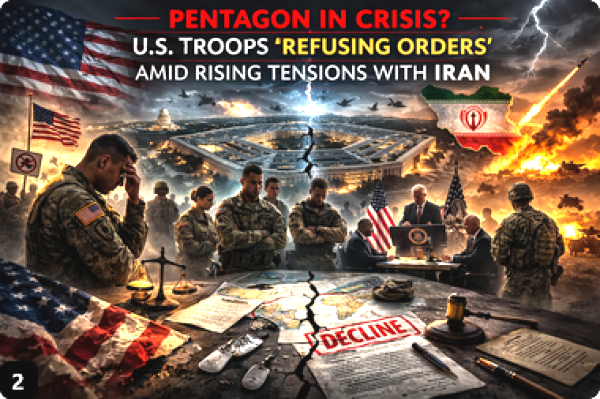
If confirmed, such developments could represent one of the most serious internal tests of military authority in modern American history.
Observers indicate that some service members are raising concerns about the legality, strategic value, and ethical implications of entering a large-scale conflict. For some, the central issue is whether such a war is necessary at all.
This situation places the White House in a delicate position. In the United States, the president serves as Commander-in-Chief of the armed forces, and the military chain of command is a foundational pillar of discipline and national defense. Any widespread refusal to follow orders would raise profound questions about authority, morale, and the stability of military leadership.
While dissent within military ranks is not unheard of, it is rarely seen on a broad scale. However, periods of intense geopolitical tension have historically prompted deeper reflection among soldiers regarding duty, legality, and personal responsibility.
Supporters of strict military discipline argue that adherence to lawful orders is essential to maintaining order and ensuring national security. Others contend that service members have not only the right—but the obligation—to question actions they believe to be morally or legally unjust.
If these reports are verified, the United States may be approaching a rare and complex moment where political decisions, military ethics, and national security intersect in unprecedented ways.
At the heart of the debate lies a fundamental question:
If soldiers believe a war is unjust, do they have a moral responsibility to refuse orders—or does their duty require unwavering obedience to the chain of command?
The answer may shape not only the outcome of current tensions, but also the future understanding of duty and conscience within the armed forces.