TRUMP INCREASING NAVY FORCES IN THE STRAIT OF HORMUZ.

Trump Urges Global Naval Deployment to Protect the Strait of Hormuz
By Rubs Politics (Facebook), Roland Myftiu - Washington — March 15, 2026
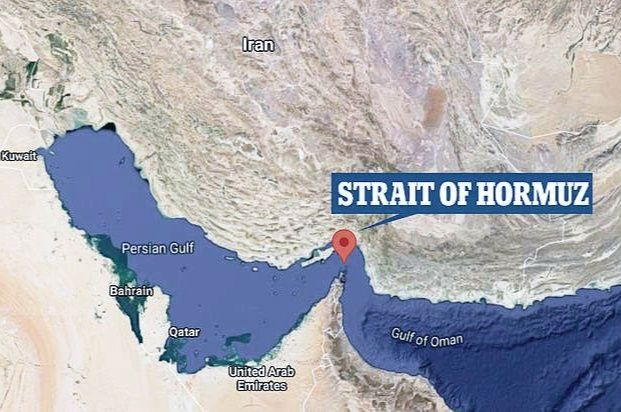
U.S. President Donald Trump has urged the United Kingdom and other major global powers to deploy naval warships to the Strait of Hormuz, one of the world’s most critical oil shipping routes. The call comes as tensions escalate in the ongoing conflict with Iran, which has attempted to disrupt or potentially block the strait, threatening global energy supplies and international trade.
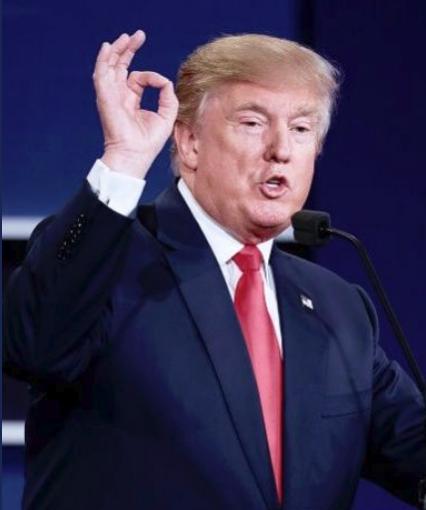
Posting on his Truth Social platform on Saturday, Trump said that several nations affected by Iran’s actions should work together with the United States to keep the strategic waterway open and secure. He specifically mentioned the United Kingdom, China, France, Japan, and South Korea, expressing hope that these countries will send naval forces to join a multinational effort to protect shipping lanes.
The Strait of Hormuz is a vital choke-point through which a significant portion of the world’s oil and liquefied natural gas passes every day. Any disruption in this narrow waterway could lead to sharp increases in global oil prices and major economic consequences for countries around the world.
Trump stated that the United States is already taking aggressive measures to ensure the safety of the route. According to his statement, U.S. forces have carried out strikes on Iran’s coastal military infrastructure and have targeted Iranian boats and naval assets believed to be involved in threatening commercial shipping.
He emphasized that maintaining freedom of navigation in the Strait of Hormuz is a top priority for the United States and its allies. Trump added that international cooperation will be essential to prevent Iran from disrupting one of the most important maritime routes in the world.
“We will make sure the Strait of Hormuz remains open, safe, and free for global trade,” Trump said, adding that the United States is prepared to take whatever steps are necessary to secure the region and protect international shipping.
The situation continues to draw global attention as governments and energy markets closely monitor developments in the Middle East, where rising tensions could have far-reaching geopolitical and economic impacts.
U.S. Deploys Marines to Secure Strategic Oil Route
Washington — March 14, 2026
On March 14, 2026, U.S. President Donald Trump ordered the deployment of thousands of American Marines to the Middle East in an effort to secure and reopen the Strait of Hormuz—one of the most critical maritime routes in the world. The strait is responsible for transporting nearly 20 percent of the global oil supply, making it a vital passage for international energy trade.
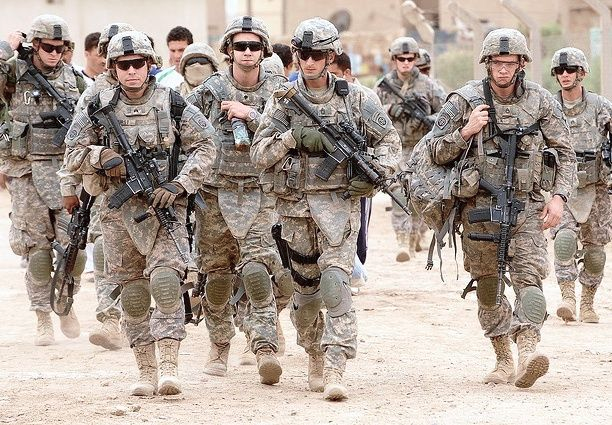
The decision comes after escalating tensions and repeated attacks linked to Iran, which have significantly disrupted shipping in the region. Reports indicate that Iranian forces and allied groups have carried out attacks on commercial vessels, deployed naval mines, and issued warnings aimed at blocking the strait.
These developments have raised serious concerns for global markets. Oil prices have surged above $100 per barrel, creating instability in the energy sector and increasing fears of a wider economic impact.
According to U.S. defense officials, Defense Secretary Pete Hegseth approved a request from U.S. Central Command (CENTCOM) to deploy a Marine Expeditionary Unit (MEU) along with several supporting naval vessels. Most reports suggest that the deployment will involve up to 5,000 U.S. Marines and sailors, though some sources say around 2,500 Marines will form the initial wave of forces entering the region.
Among the key military assets heading toward the Middle East is the USS Tripoli, a large amphibious assault ship currently based in Japan. The vessel, along with its accompanying amphibious ready group and additional warships, is expected to reach the area within the next two weeks.
These forces are being positioned to ensure the safe movement of commercial oil tankers, neutralize potential naval mines, and counter threats from Iranian drones and missile systems.
The main objective of the operation is to restore freedom of navigation through the Strait of Hormuz and prevent further disruption to global oil shipments. If the security situation continues to deteriorate, the U.S. Navy may begin escorting commercial tankers through the strait.
President Trump has stated that the United States is prepared to act decisively to protect international shipping routes. In recent remarks, he claimed that U.S. forces are significantly weakening Iranian military capabilities and warned that any attempt to permanently block the strait would face a strong response.
Despite the rising tensions, Defense Secretary Hegseth has attempted to calm immediate concerns. He stated that the United States is actively managing the situation and that there is currently no clear evidence of new large-scale Iranian mining operations in the waterway.
As the situation develops, the Strait of Hormuz remains one of the most closely watched flashpoints in global geopolitics, with potential consequences for international trade, energy markets, and regional stability.
Commentary: Concerns Over Escalation in the Iran Conflict
By Roland Myftiu — March 14, 2026
Critics are raising alarm over the U.S. deployment of thousands of Marines toward Iran, warning that the situation could evolve into a prolonged conflict. According to reports cited by CNN, senior officials at the Pentagon and the National Security Council underestimated Iran’s willingness to disrupt or potentially shut down the Strait of Hormuz, widely considered the most important energy choke-point in the world.
The Pentagon is now deploying the 31st Marine Expeditionary Unit, which includes F-35 fighter jets and Osprey aircraft, to the Middle East. Critics argue that this move suggests a gradual escalation beyond earlier expectations that the conflict would remain limited to air operations.
Some analysts describe the situation as “mission creep,” warning that deploying Marine forces could provide the military with additional operational options, including possible ground operations if ordered.
The economic implications are also drawing concern. Oil prices have climbed above $100 per barrel amid fears of disrupted supply, and energy analysts warn that any prolonged interruption of traffic through the Strait of Hormuz could have severe global economic consequences.
Iranian leadership has signaled that it intends to continue resisting U.S. actions in the region, while American officials maintain that their objective is to secure international shipping routes and stabilize the situation.
As tensions rise, observers around the world are closely watching developments, concerned that the crisis could expand into a broader regional conflict with global economic repercussions.
Trump just sent THOUSANDS of Marines toward Iran.
By Roland Myftiu - FB- 14 March 2026 FOREVER WAR:
Trump just sent THOUSANDS of Marines toward Iran.Two weeks ago he called this a "little excursion." Now the Pentagon is deploying the 31st Marine Expeditionary Unit, complete with F-35 fighter jets and Osprey aircraft, to the Middle East after the administration openly admitted it didn't see this coming.
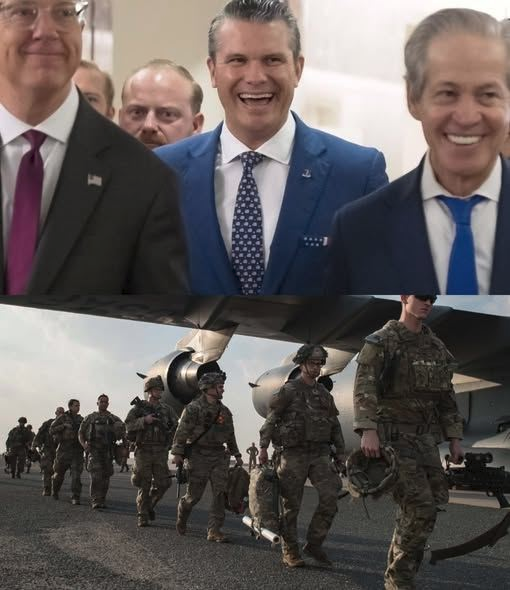
According to CNN, senior officials at the Pentagon and National Security Council significantly underestimated Iran's willingness to shut down the Strait of Hormuz, the most important energy choke-point on the planet. So let's get this straight. They launched an illegal war without congressional approval, promised it would stay in the air, and are now quietly positioning ground forces in the region while oil blasts past $100 a barrel. Thirteen American service members are dead. Roughly 140 more have been wounded. Over 1,400 Iranians have been killed, including civilians, healthcare workers, and schoolchildren.
The global economy is in freefall. The IEA says this is the largest oil supply disruption in the history of the global market. And what's the president's exit strategy? He told G7 leaders this week that Iran is "about to surrender." Meanwhile, Iran's new supreme leader went on state TV and vowed to keep fighting. This is textbook mission creep. CENTCOM requested these Marines specifically to have more options for military operations against Iran, including ground operations if ordered.
That's not "ahead of schedule." That's the slow walk into the next Iraq, except the country is three times the size with four times the population.Every critic warned this would happen. Every hawk in the administration swore it wouldn't. The receipts are piling up faster than the body bags. If you think an unauthorized ground war in Iran is madness, share this before they normalize it.
End of Document