NORWAY’S GLOBAL ROLE: DIPLOMACY, NETWORKS, DEMOCRACTIC TRANSPARENCY.
By Anonymous-FB-Human Synthetis-15 March 2026
Can the Oslo Accords, elite diplomatic awards, and undisclosed documents really be unrelated? It is difficult to believe that it is merely coincidence that many of the same diplomats, institutions, and networks appear repeatedly throughout Norway’s international engagement.
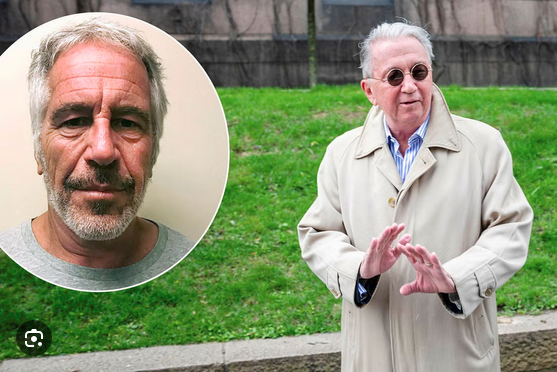
Documents related to the Oslo Accords that were discovered in a private basement belonging to Terje Rød-Larsen and Mona Juul revealed that parts of Norway’s own diplomatic history had remained inaccessible to the public for decades. This issue is not only about history. It concerns national governance, accountability, and democratic transparency. The Oslo Accords gave Norway an important global diplomatic role, but they also demonstrated how international networks can operate alongside — and sometimes beyond — direct national oversight.
Several of the same actors later held influential positions in global institutions such as the International Peace Institute, shaping both peace processes and broader international policy discussions. At the same time, former Norwegian Prime Minister and NATO Secretary General Jens Stoltenberg has received numerous prestigious international awards, including:
The Henry Kissinger PrizeThe Child Health Prize (2005) through GAVIChampion of Global Change Award (UN Foundation, 2011)FP’s Diplomat of the Year (2019) The Presidential Medal of Freedom (USA, 2024)Various European state orders and international honors?
During Stoltenberg’s tenure, Norway’s contributions to global vaccination programs through GAVI alone amounted to nearly 10 billion Norwegian kroner over a five-year period. When contributions to UN initiatives, international think tanks, and NATO engagements are included, the total reaches tens of billions of kroner. These investments help strengthen Norway’s international reputation, yet the public often has limited insight into how the country’s global role is shaped and represented.
Three Norwegian prime ministers illustrate the continuity of this international engagement: Gro Harlem Brundtland, Thorbjørn Jagland, and Jens Stoltenberg. This is not a conspiracy theory. It is a matter of documented history. A relatively small Norwegian political and diplomatic elite has maintained continuous international influence for several decades.
The fundamental question remains:How much of Norway’s history and global role do citizens truly see — and who bears the responsibility for ensuring that the full picture becomes known?