ETHICS, POWER AND THE PRESIDENCY
By AI ChatGPT4-T.Chr.-Human Synthesis-27 January 2026
Throughout American history, presidents of both parties have generally taken care to separate public office from private financial gain. While this norm has never been perfect, it has played a vital role in maintaining public trust in democratic institutions. Why conflicts of interest still matter.
In recent years, that boundary has come under renewed scrutiny.
Critics argue that Donald Trump’s continued involvement in business ventures — including branding deals, media platforms, and new financial projects — has blurred the line between public service and personal enrichment. Even when such activities may fall within legal gray areas, their scale and visibility raise serious ethical questions.
At the core of this debate is not just money.
It is legitimacy.
When a president maintains extensive private financial interests while holding office, citizens are left to wonder whether decisions are being made in the public interest or with personal benefit in mind. Even the appearance of such conflicts can weaken confidence in government.
History offers a striking contrast.
After leaving office in 1953, President Harry Truman returned home with modest means, relying largely on his military pension. He rejected lucrative offers that would have commercialized his presidency, believing that the office should never be used for personal profit. His restraint helped define ethical expectations for generations.
Modern politics operates in a different media and economic landscape, but the principle remains unchanged. A democracy depends on the belief that its leaders serve the public — not themselves.
Editorial boards, legal scholars, and ethics experts have warned that normalizing financial self-interest at the highest levels of government risks creating a culture of corruption. When citizens begin to believe that influence can be bought, faith in the rule of law erodes. Participation declines. Cynicism grows.
This issue is not about party loyalty or ideology.
It is about standards.
Whether through stronger ethics laws, clearer financial disclosure, or firmer enforcement of existing rules, many argue that the United States must reaffirm a simple idea: the presidency is a public trust, not a business opportunity.
Democracy rarely collapses overnight.
It weakens gradually — when norms are abandoned, accountability fades, and people lose faith that government serves everyone.
Preserving democratic legitimacy requires more than legality.
It requires transparency, restraint, and a renewed commitment to the common good.
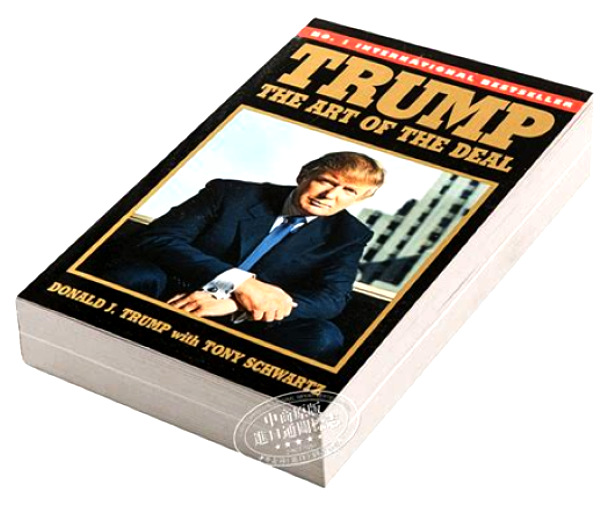
THE ART OF THE DEAL
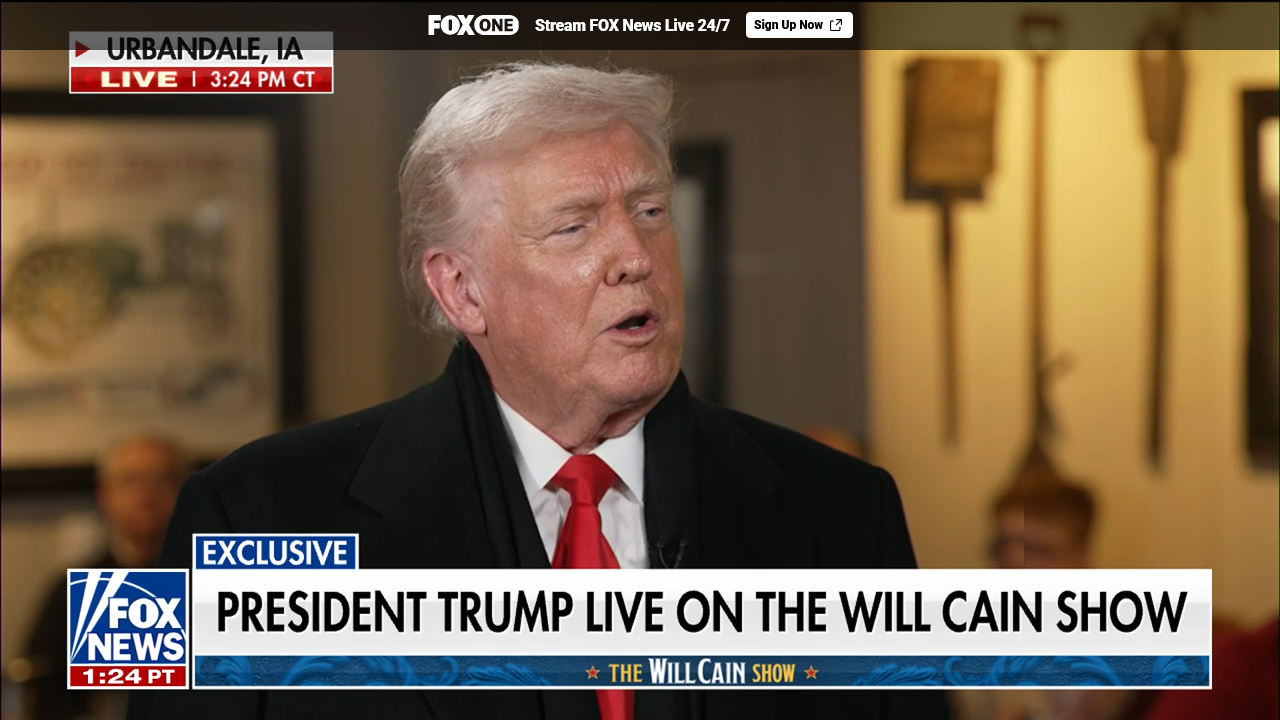
VIDEO ( 27 Jan. 2026 Fox News 17.20 ET - Via your video provider)