SAILING SHIPS

By AI ChatGPT4-T.c.-Human Synthesis-26 January 2026
THE SAILING SHIP ERA - FOR THE BRAVE AND STRONG
From the moment the first stitched-plank boats dared to slip beyond sight of land, sailing ships carried human ambition onto the open sea. Long before engines and steel, it was wind in canvas and hands on rope that moved the world. Civilizations rose, traded, fought, and explored aboard hulls of wood, and every generation learned the same lesson anew: the sea grants passage only to those who respect it.
Across the centuries, ships evolved in purpose as well as form. Merchant vessels carried grain, spices, silk, and people between distant shores. Great nations armed their ships and sent them to war, turning floating platforms into instruments of state power. Official warships sailed in disciplined formations, their gun decks lined with cannon, crews drilled to work sail and shot under fire. When battle came, the air filled with smoke and thunder, yet even then seamanship mattered as much as firepower—wind, tide, and timing could decide the fate of empires.
Beyond the law sailed pirate ships, fast and lightly built, designed to overtake rather than outgun. Pirates relied on boldness, reputation, and speed, often preferring surrender to bloodshed. Many pirate crews were made up of former naval or merchant sailors who knew rigging, navigation, and human nature well. Though feared, they lived by the same codes of the sea, bound together by shared risk and an unspoken understanding that survival depended on cooperation.
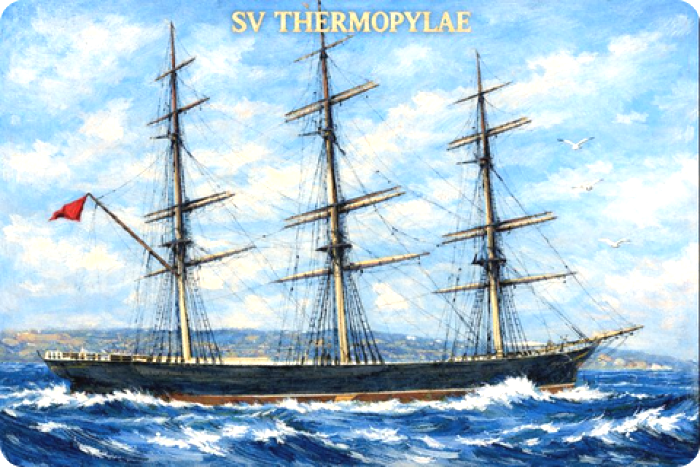
Among the most admired ships of all were the tea clippers of the nineteenth century—sleek, narrow, and breathtakingly fast. Built for one purpose alone, they raced from China to England with holds full of freshly harvested tea. These voyages became contests of pride and profit, captains pushing their ships to the edge of safety to shave days from the passage. English households waited eagerly, knowing the first ship home would deliver the freshest brew, and newspapers followed the races with fascination.
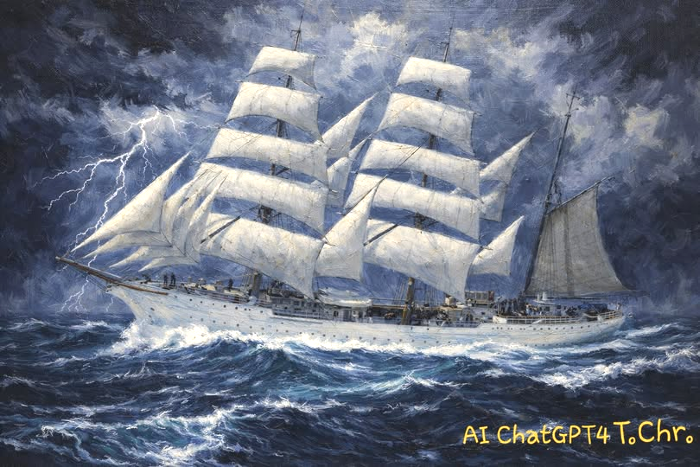
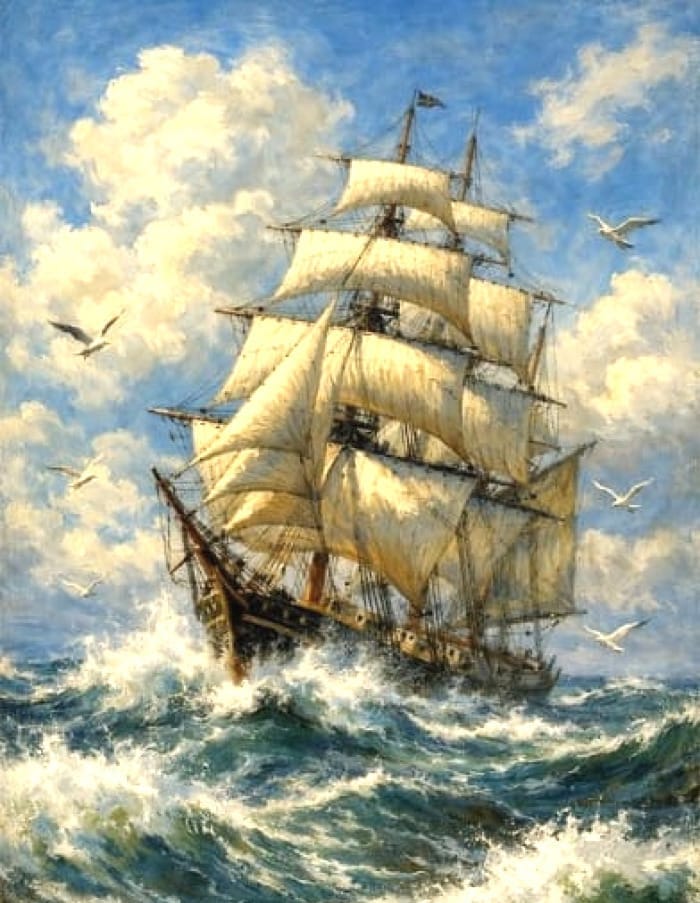
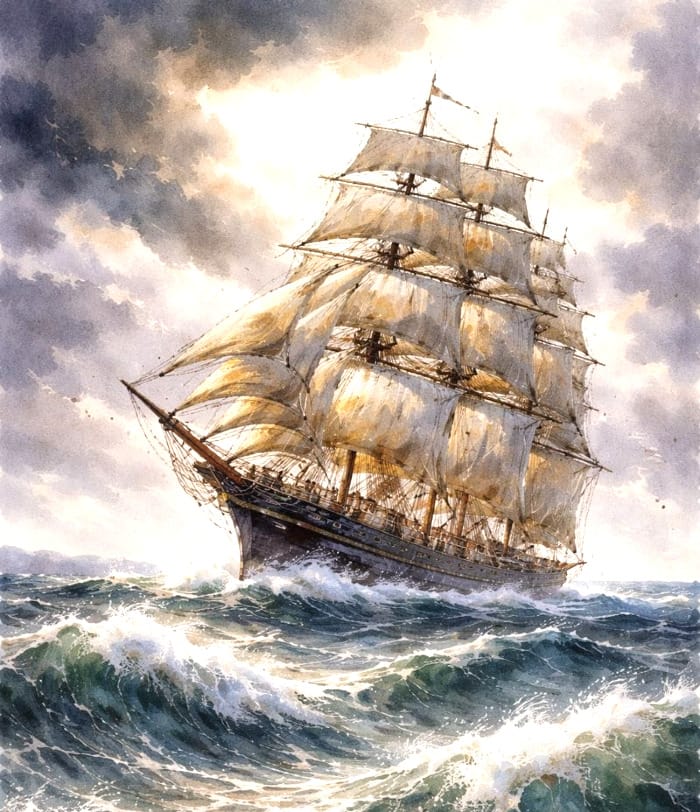
Life aboard any sailing ship was a mixture of hardship and wonder. Storms tested everyone equally. Masts bent, sails tore, and waves crashed aboard with relentless force. Sailors climbed high into the rigging, the ship rolling beneath them like a living thing, trusting muscle memory and the shouted guidance of older hands. Fear was present, but so was discipline, and the knowledge that each man’s life depended on the next doing his job well.
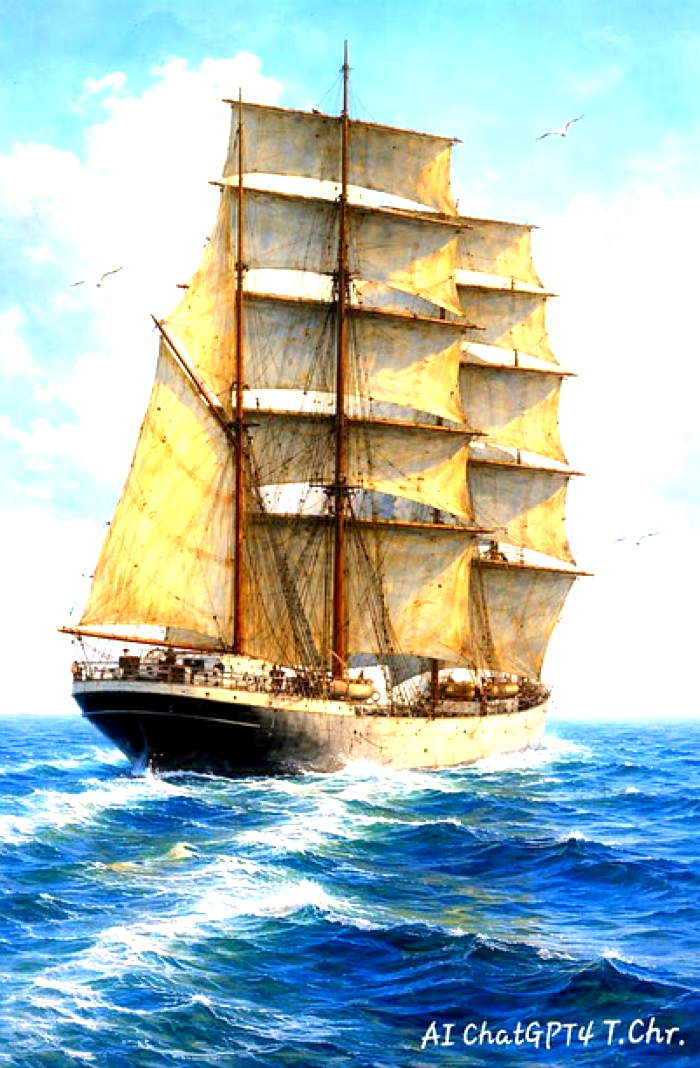
When the weather calmed, the ship transformed. The deck became a place of routine and quiet enjoyment. Maintenance was constant—scraping, splicing, and polishing—but there was time too for rest. Sailors leaned on the rail, watching flying fish scatter or sunsets burn the horizon red. An accordion might appear, its wheezing notes setting the pace for shanties sung not for work, but for comfort and companionship. The sea, momentarily gentle, seemed almost like a friend.
For the youngest aboard—often boys of fifteen on their first voyage—the ship was a school like no other. Everything was exciting and intimidating at once: the height of the masts, the authority of the boatswain, the endless water in all directions. Old sailors took responsibility for them, teaching skills patiently and correcting mistakes firmly but fairly. In bad weather, a steady hand or shouted encouragement made the difference between panic and confidence. Over time, the boys learned not just seamanship, but belonging.
In port, those lessons continued. After months confined to wood and water, the shore dazzled with noise, color, and temptation. The older sailors kept a quiet watch on the youngsters, guiding them through crowded taverns and unfamiliar streets, making sure high spirits did not turn into danger. At the end of the night, voices hoarse from singing and laughter, the crew gathered their own and brought them safely back aboard, ready for sea once more.
Sailors were known for their drinking and loud songs, and the reputation was not undeserved. Yet there was an unwritten code: strangers were not harmed, and grudges were best left ashore. The sea was unforgiving enough without adding needless enemies. Any port could one day become a refuge, and any unfamiliar face might one day offer help when it was most needed.
Through trade and war, piracy and exploration, youth and age, sailing ships were floating worlds unto themselves. They carried cargo and cannon, fear and fellowship, shaping generations of men and boys under sail. Driven by wind and human will, they stitched the world together—one long, uncertain, and unforgettable voyage at a time.
Now a philosophical end to the era.
And then, almost quietly, the age of sail began to fade.
Iron replaced oak, steam replaced wind, and certainty replaced patience. Ships no longer waited on weather or listened to the sea’s mood; they cut through it on schedule, indifferent to tides and seasons. The old skills—reading clouds, feeling a ship’s balance through bare feet on deck, knowing when to shorten sail by instinct rather than order—slowly lost their urgency. Progress arrived, efficient and unstoppable.
Yet something intangible was left behind. Under sail, time had a different meaning. A voyage could not be forced, only negotiated. Men learned humility because the wind could not be commanded, only used when it chose to arrive. The sea was not an obstacle but a partner—sometimes generous, sometimes cruel, always honest. Sailing demanded attention, cooperation, and trust in both nature and one another.
With the end of the sailing era, ships grew larger but lonelier. Engines reduced crews, routines replaced improvisation, and the long conversations of rope work and shared danger grew rare. The songs fell silent, not because people forgot how to sing, but because the rhythm of work no longer required it. The accordion was stowed away, the shanty unnecessary.
Yet the spirit of sail did not vanish. It survives in memory, in preserved ships, in the creak of rigging heard by those who still choose wind over speed. More deeply, it lives as a reminder that human progress once depended on restraint as much as ambition. Sailing ships taught that mastery did not mean domination, but harmony—moving forward by understanding forces larger than oneself.
The sailing era ended not in failure, but in fulfillment. It had carried humanity as far as it could, taught what it needed to teach, and then stepped aside. And perhaps that is its final lesson: that the greatest journeys are not measured only in miles crossed or cargo delivered, but in the character shaped along the way, by wind, water, and waiting.
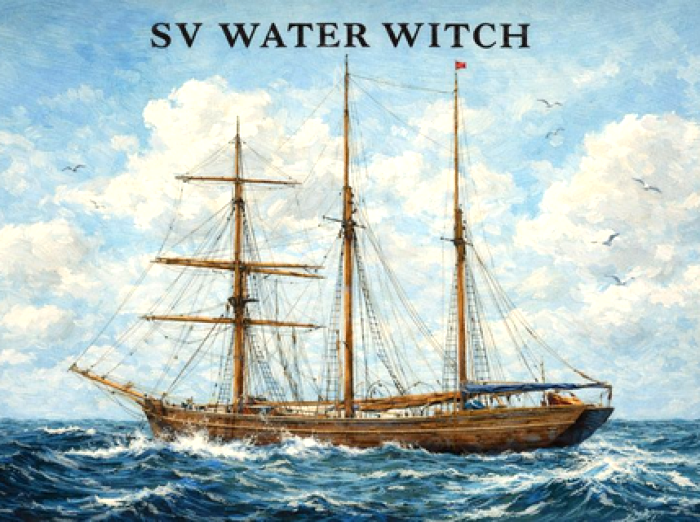
ANYBODY KNOW THE MISSING SHIP NAMES???