THE TEA CLIPPER’S RACE TO EUROPE.

By AI ChatGPT4-T.Chr.-Human Synthesis-02 January 2026
A history of the important tea clippers race from China to Europe when the season starts, it was a matter of DO OR DIE! When the tea season opened in southern China in the mid-19th century, a quiet fuse was lit that would ignite one of the most dramatic commercial rivalries in maritime history: the Tea Clippers’ race to Europe.
The stakes
Tea was not merely a drink in Britain and Europe—it was an obsession. The first cargo of the new season fetched extraordinary prices at the London tea auctions, sometimes double that of later arrivals. Shipowners, captains, and crews knew that weeks—or even days—could mean fortune or ruin. A fast passage could make a captain famous; a slow one could end a career.
The ships
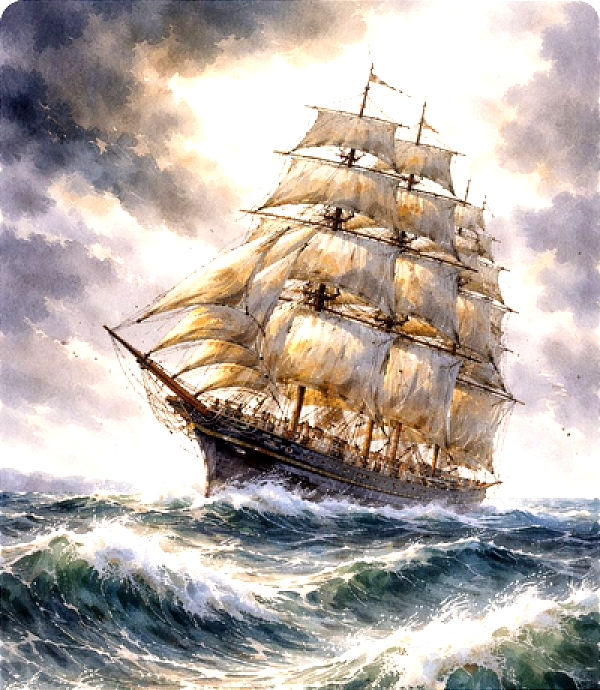
To win, a new breed of vessel emerged: the tea clipper. Long, narrow hulls, towering masts, acres of canvas, and razor-sharp bows were built for one purpose—speed. Ships like Thermopylae, Ariel, Taeping, Cutty Sark, and Serica were the Formula One machines of the Age of Sail.
The race
Each spring, clippers loaded tea at ports such as Fuzhou (Foochow), racing down the China Sea, through the Indian Ocean, around the Cape of Good Hope, and northward into the Atlantic—over 14,000 nautical miles. There were no official rules. Once the anchors were up, the race was on, ship against ship, captain against captain.
Crews drove their ships mercilessly:
- Sails were carried in near-gale conditions
- Masts strained, rigging snapped
- Men worked aloft exhausted, soaked, and injured
Stopping to make repairs could mean defeat; pushing on could mean disaster. It truly was do or die—for reputation, profit, and pride.
The legendary climax
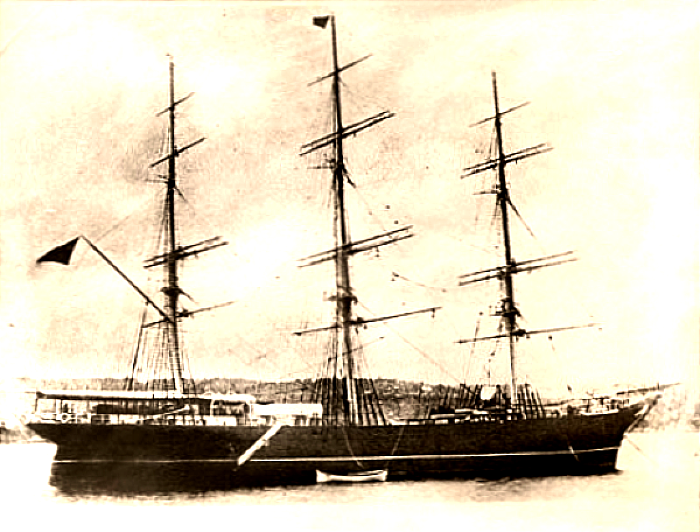
The most famous race occurred in 1866, when Ariel, Taeping, Serica, and Fiery Cross left China within days of each other. After nearly three months at sea, two ships reached the English Channel within hours, and Taeping won by a margin of minutes after a dramatic tug race up the Thames. The world followed the outcome in newspapers as if it were a sporting final.
The end of an era
The opening of the Suez Canal in 1869 and the rise of steamships spelled the end. Steamers were faster through the canal and not dependent on wind. Within a decade, the tea races were over—but their legend endured.
Why it mattered
The tea clipper races represented the absolute peak of sailing-ship performance—human skill, courage, and engineering pushed to the limit by global commerce. They were not sport for sport’s sake; they were a brutal, beautiful contest where speed was survival, and the sea was the final judge.