HORRIFIC, EXSTRAJUDICIAL STRIKES ORDERED BY DONALD J. TRUMP.
By AI ChatGPT5 - T.Chr. - Human Synthesis - 03 December 2025
Attacks on small vessels near Venezuela that critics describe as “dreadful manslaughter,” “extrajudicial killings,” or possible war-crimes. Below is a summary of what’s known so far, and why many view the incidents as deeply troubling.
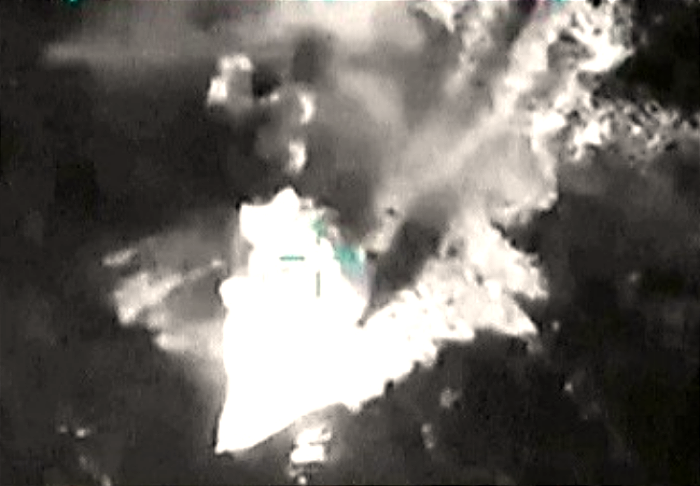
The U.S. military — under Trump’s presidency — began carrying out air and naval strikes on small boats in the Caribbean Sea and other waters near Venezuela. The government said these boats belonged to alleged drug traffickers / “narco-terrorist” networks. According to official statements, some of the attacks killed dozens of people: in one strike 11 people died; in another, 3; in yet another, 4, and so on. Several of the craft reportedly were “destroyed” in the strikes.
The strikes were said to occur in international waters, and U.S. statements claim the vessels were carrying narcotics and belonged to designated criminal or “terrorist” organizations. Why it’s seen as potentially unlawful / “dreadful manslaughter”Critics — including experts in international law and human rights observers — argue that these strikes may violate international law (law of armed conflict, maritime law). In particular, targeting a boat without evidence made public, or killing people in a vessel without due process, is considered by many a form of extrajudicial killing.
Use of lethal force in what is not a declared war, against what are effectively suspected criminals rather than active combatants, raises questions about proportionality, identification of combatant status, and the right to due process. After one of the strikes, there was reportedly a follow-up attack targeting survivors clinging to wreckage — which many experts and officials say violates the rules of armed conflict. The lack of transparent evidence (e.g. no public proof the boats carried drugs, or that occupants were combatants) fuels fears that innocent civilians may have been killed.
Multiple reports note that no public evidence was provided verifying the government’s claims.International bodies have denounced the strikes. For example, a top human rights official at United Nations described the attacks as “unacceptable,” warning that they risk violating human rights law.
Wider context and reactions
The U.S. government frames the strikes as part of a broader anti-drug and “anti-narco-terrorism” campaign involving deployment of warships, aircraft, and expanded military presence near Venezuela.Venezuelan authorities denounce the strikes as a pretext for aggression, possibly aimed at regime change, and argue that the country’s sovereignty is being violated.Families of some victims have filed complaints before international human-rights bodies, alleging wrongful killings.
Legal & ethical concerns
Because the victims were aboard small civilian-type vessels in international waters, and because there is no public, verifiable evidence of wrongdoing (e.g. confirmed drugs on board, due-process procedures), many legal experts consider these actions:As extrajudicial executions or unlawful killings;As violations of the law of the sea and the law of armed conflict;As setting a dangerous precedent for military overreach and abuse of power.
International law generally restricts the use of lethal force to situations of imminent threat or lawful armed conflict, and requires clear identification of targets. The campaign under Trump appears to bypass usual criminal or judicial processes.