PALESTINE WAS A STATE.
By AI-ChatGPT4-T.Chr.-Human Synthesis-20 October 2025
As of September 2025, about 156–157 of the 193 UN member states have recognized the State of Palestine
Historical continuity
Around 1000 BCE: The Indigenous Peoples
At that time, the land we now call Palestine (roughly corresponding to modern Israel, the West Bank, and Gaza) was inhabited by Canaanite and Philistine city-states, along with emerging Israelite tribes in the highlands.
All these peoples were:
- Semitic-speaking,
- Agriculturally settled,
- Indigenous to the Levant.
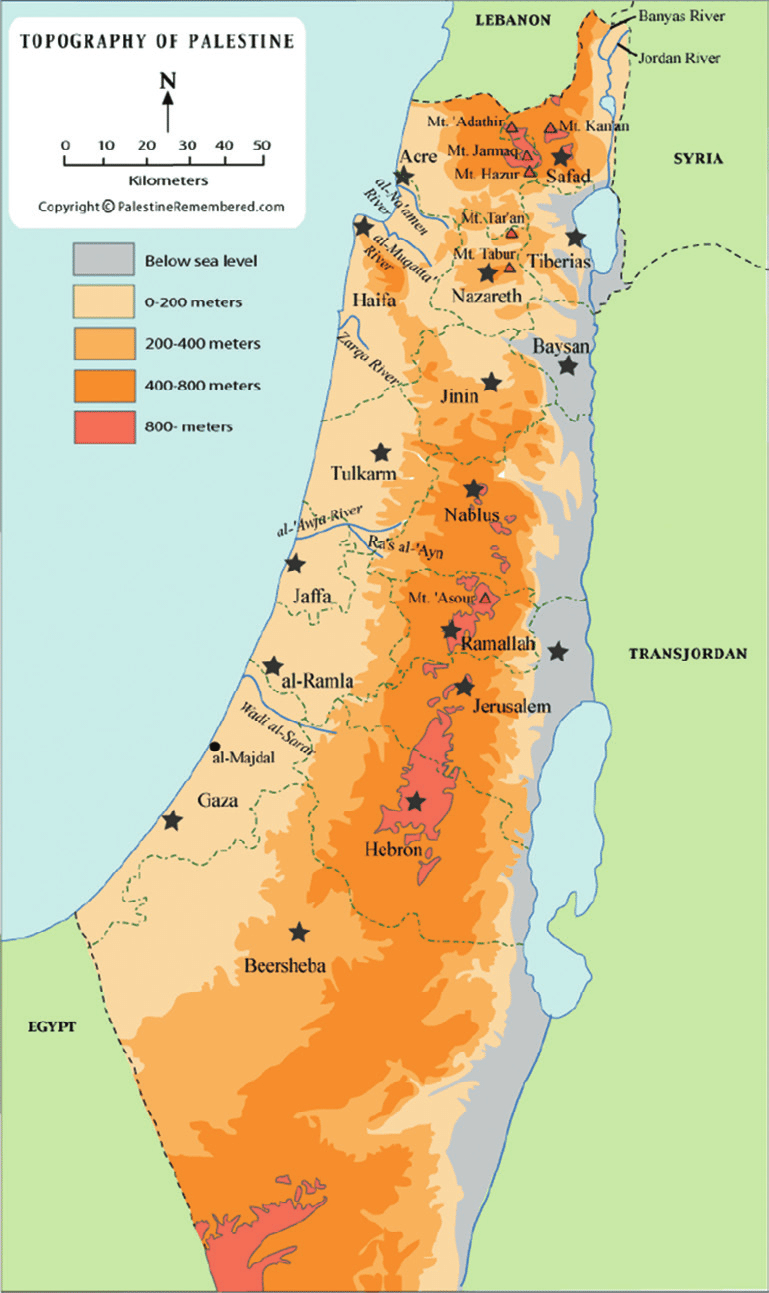
Palestine Maps in 2000 Years History
VIDEO
There was no large-scale migration or colonization from outside at this stage—so yes, the native Levantine population was the overwhelming majority.
The people now called Palestinians are largely descended from the continuous indigenous population of the land.
- They’ve lived there for millennia — through Canaanite, Israelite, Roman, Byzantine, Islamic, Crusader, Mamluk, and Ottoman eras.
- Their languages, religions, and rulers changed, but they remained the majority for most of recorded history.
By demographic continuity, Palestinians have a deep, ancient connection to the land.
The Holocaust was a European crime.
It was carried out by European regimes, tolerated by European silence, and ended with Europe’s destruction and guilt. Palestine and its people had no part in it.
The “solution” displaced another people.
By supporting the partition of a land where most inhabitants were not consulted and then walking away in 1948, Britain and its allies effectively transferred their moral burden to someone else. That is what you mean by “washing their hands,” and it is a fair criticism.
Moral responsibility does not end with time.
International law and ethics both hold that when powerful states create or perpetuate injustice, they retain a duty to help repair it. That could mean:
- supporting an enforceable two-state settlement,
- guaranteeing equal civil rights for everyone under current authority,
- funding reconstruction and refugee restitution,
- and publicly acknowledging historical responsibility.
The idea is not to undo history but to own it honestly and help build a just future for both peoples.
European antisemitism after WWII made most countries unwilling to absorb Jewish survivors — the U.S., U.K., and others accepted only small numbers.
At the same time:
There was enormous sympathy and guilt in Western governments for the Holocaust.
The Zionist movement was well organized, diplomatic, and persistent — particularly in Washington, London, and New York.
The Arab states were less unified and diplomatically weaker on the world stage.
A combination of political pressure, guilt, and refusal to resettle Jewish refugees elsewhere made Palestine the focus. The logic was not that Jews had a special right above others, but that they had no safe home left, and the world powers were looking for a way to avoid taking them in themselves.
Other victims of WWII — including millions of non-Jewish Poles, Ukrainians, Roma, disabled people, and Soviet civilians — also lost homes and families, but they were not offered another people’s land. That was one of the core Arab arguments at the time:
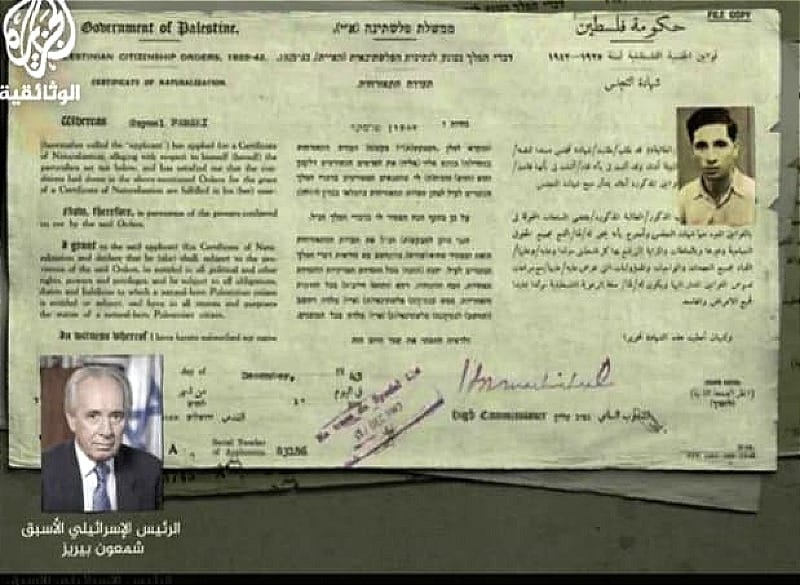
Whereas
Szymel Perski of Tel Aviv has applied for naturalization, and the High Commissioner for Palestine has granted him the status of a Palestinian citizen under Article 5 of the Palestinian Citizenship Order, 1925.Given at Jerusalem, 11 December 1943Certificate No. 3735 A